

Travelling with Incontinence: Smart Tips for a Comfortable and Confident Holiday
Posted on23 Jul 2025
Whether you're planning a family vacation or a weekend getaway, traveling with incontinence may seem overwhelming at first. Questions like “What if I can’t find a toilet?” or “What if there’s a leak?” can make the idea of travel stressful. But with a bit of planning, the right supplies, and a positive mindset, travel is not only possible, it can be deeply enjoyable.
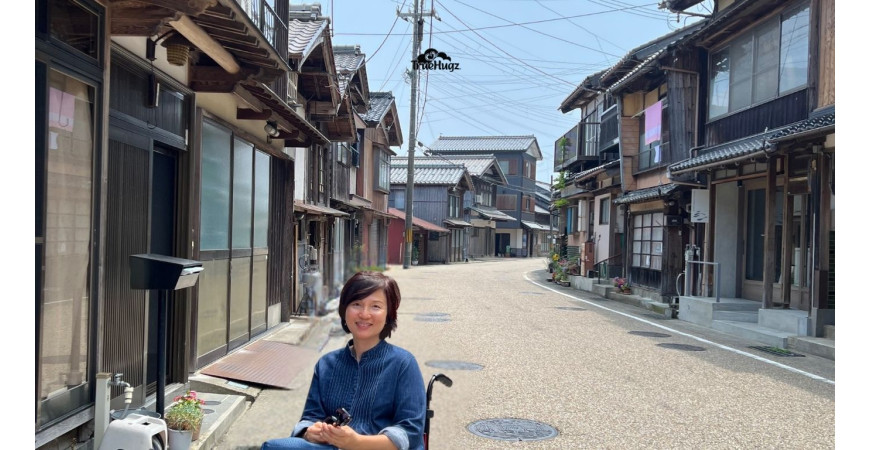
I recently visited Kyoto, Japan, with my family during the summer. Despite the sweltering heat and accessibility challenges, the trip was memorable. Here are some tried-and-tested tips that made our journey smoother and more comfortable.
Before you travel, find out whether the cities and towns you're visiting have accessible public toilets. Japan is well known for its clean, well-maintained, and wheelchair-accessible restrooms. They are usually found in train stations, shopping malls and even in smaller town at their information centre.
Check local tourism websites or use toilet locator apps to plan your routes around accessible facilities.
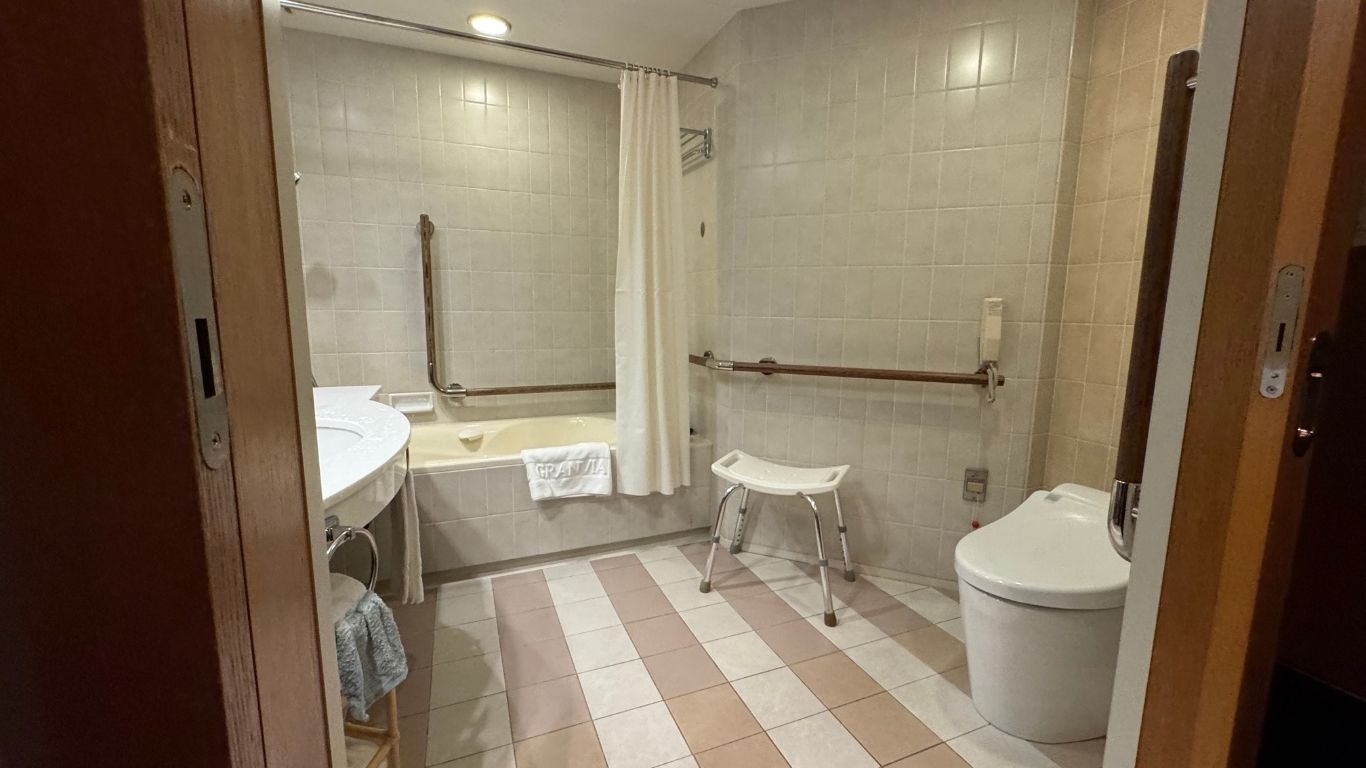
When booking hotels, request for an accessible room, also known in Japan as a “Universal Room.” Standard hotel rooms in Japan tend to be small, but Universal Rooms usually come with spacious bathrooms equipped with grab bars, shower chairs, and lower sinks. These features make a big difference in providing comfort and dignity for travellers who need more space and support.
Choose an aisle seat to make bathroom access easier during the flight. If you use a wheelchair or require an aisle chair to reach your seat, inform the airline in advance. Always check in at the counter rather than online so the airline can prepare assistance accordingly.
Many airlines also offer priority boarding and in-flight support, including accessible toilets on long-haul flights. Don’t hesitate to ask for help.
Japan’s public transportation system is highly efficient and increasingly accessible. Whether you're taking a bullet train, a bus, or a taxi, a little preparation goes a long way.
Trains and Bullet Trains
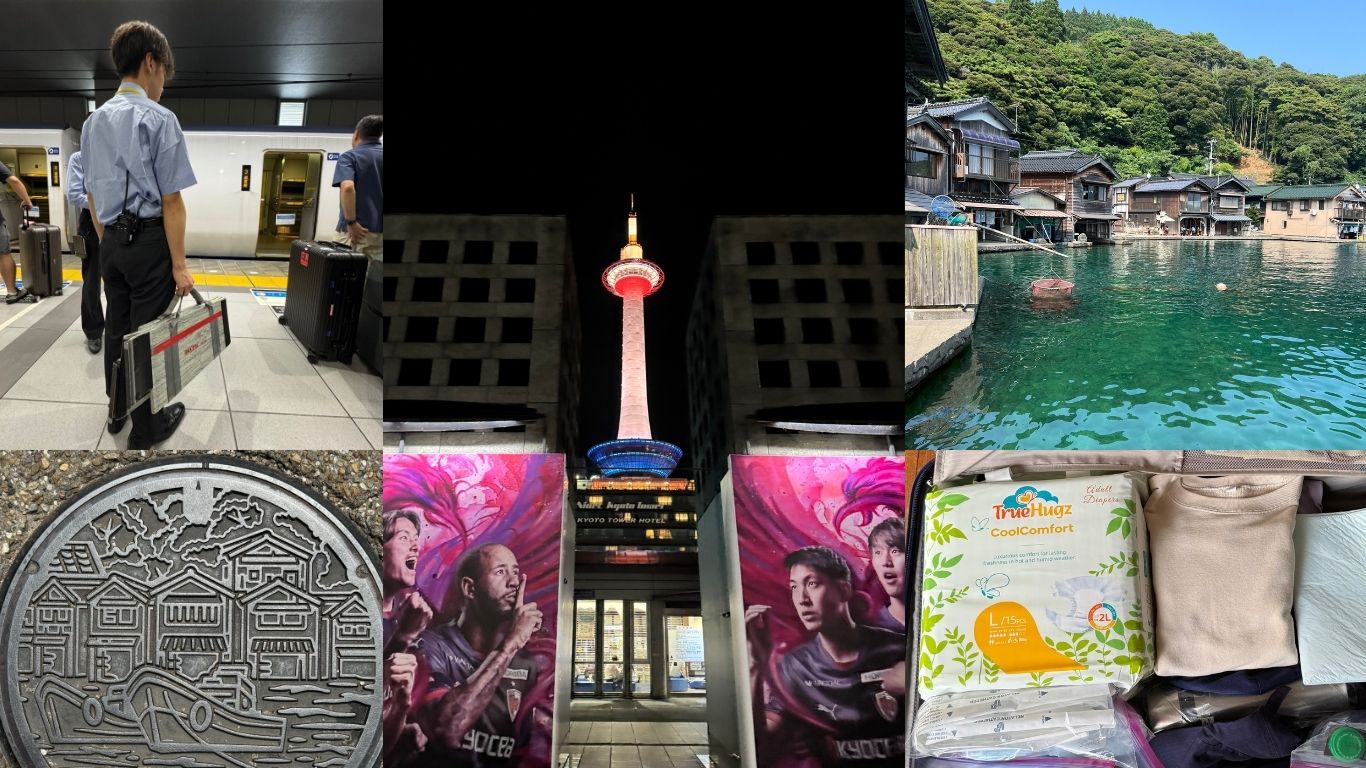
Station staff are generally helpful and well-trained. They can arrange portable ramps, assist with platform navigation, and help with ticketing. Some Shinkansen (bullet trains) have designated wheelchair spaces and accessible toilets, but these must be reserved in advance. I booked most of my tickets at the JR office in Japan.
Local Buses in Kyoto
We used local buses frequently during our stay. Many of them are wheelchair accessible due to the high number of visitors and aging locals. To make travel easier, consider getting an ICOCA or SUICA card. These are stored-value transport cards (similar to Singapore’s EZ-Link) that let you tap and board without needing coins or cash, a huge help when juggling wheelchair and a foreign language.
Accessible Taxis
Wheelchair-accessible taxis are available but limited. It’s best to pre-book them through your hotel. They’re useful for areas with less public transport or if you prefer a direct, stress-free route.
Having the right supplies makes all the difference. Here’s what I packed:
• TrueHugz CoolComfort highly absorbent and comfortable
• Disposable underpads for bed protection
• Antibacterial wet wipes
• Discreet disposal bags
• Moisturising barrier cream
• Anti-bacterial handwash
• A good pressure-relief air cushion
• Spare change of clothes in my day bag
• Medication for skin in case of pressure sores
• A refillable water bottle for hydration
• Vitamin C and D to boost immunity
• Comfortable footwear.
My feet swell in summer and shrink in winter, so it helps to bring shoes suited for these changes to avoid pressure sores.
Knowing your body’s needs and planning accordingly helps make your trip as comfortable as can be. Consult your health care provider if you don't know where to start, about your plan to travel and they could also advice what you would need to travel comfortably.
If you’re caring for someone with incontinence, your support makes all the difference. Here are a few caregiver-friendly reminders:
• Allow extra time each morning so your loved one can get ready at a comfortable pace
• Plan for frequent toilet breaks, more stops mean less stress
• Build in rest periods between activities, and encourage movement or position changes to avoid pressure sores, especially for wheelchair users
• Pack a day backpack with essentials: adult diapers, wipes, barrier cream, extra clothing, disposal bags
• Stay flexible, some days may need lighter plans
• Most importantly, remember that travel is not about ticking off locations but about sharing meaningful moments with the person you love.
Incontinence doesn’t have to stop you or your loved one from seeing the world. With thoughtful planning, the right supplies, and a little support, travel can be both liberating and joyful. I’m deeply grateful to my family for their incredible patience and care throughout this trip, it made all the difference.
I’m also happy to share that TrueHugz diapers held up beautifully in Japan’s sweltering summer heat, breathable, absorbent, and dependable from morning to night.
Wherever life takes you, TrueHugz is here to support your journey, because comfort should always travel with you.
If you found this article helpful, share it with a friend or drop your own travel tips in the comments to inspire others in our community.
Reference
Here are some references I used for my trip:
• Curb Free with Cory Lee, The Ultimate Wheelchair Accessible Kyoto, Japan Travel Guide
• Accessible Japan, Your Guide to Barrier-Free Travel in Japan
• Basic Guide to Accessible Travel in Japan
Please sign in first.
Sign in
Create a free account to save loved items.
Sign in