

Preventing Pressure Sores for the Elderly
Posted on05 Jun 2025
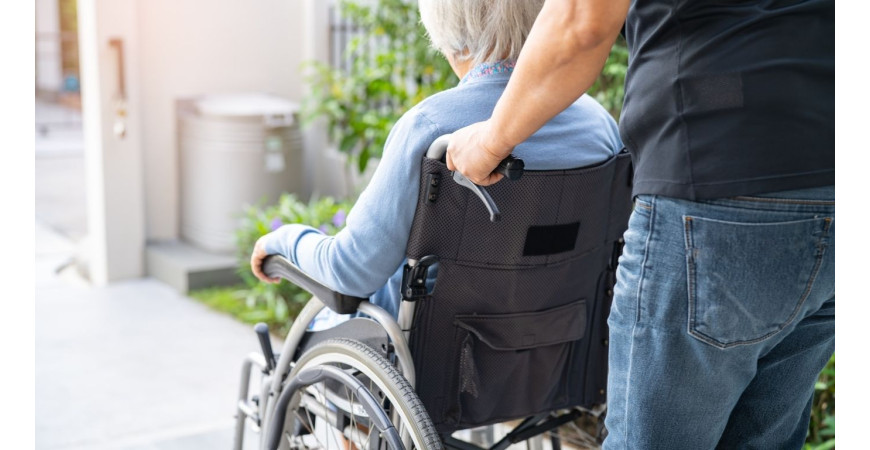
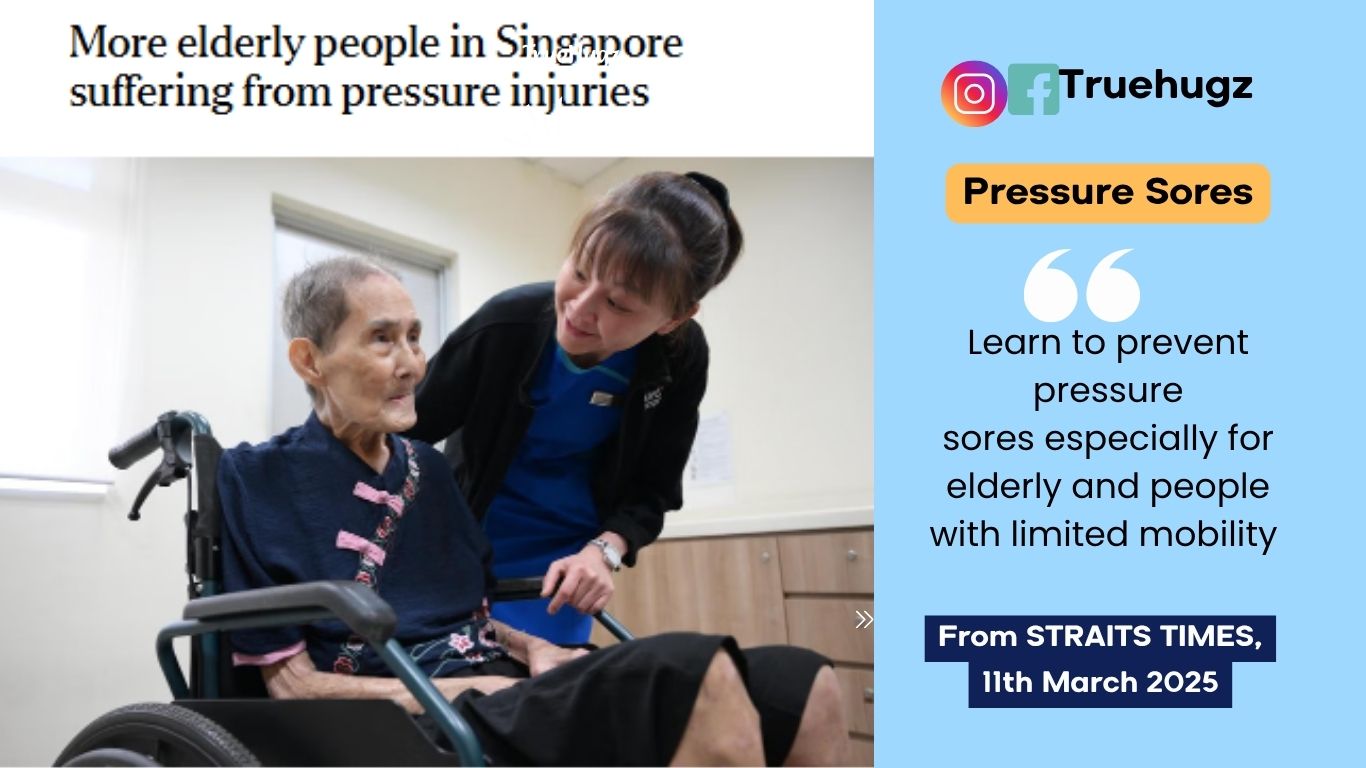
As highlighted by the Straits Times article (11 March 2025), there is an alarming rise in pressure injuries among Singapore’s elderly, especially those who are bedridden or wheelchairs users. With our rapidly ageing population and increasing caregiving needs, this trend is a cause for concern.
Pressure sores, also known as bedsores or pressure ulcers, are more than just skin problems. They are painful, slow to heal, and in severe cases, life-threatening. The good news is, they are largely preventable with the right care, knowledge, and support.
Let’s discuss how caregivers and families can support their loved ones by understanding:
1) What are pressure sores;
2) Which areas and individuals are most at risk;
3) The stages of pressure sores;
4) Prevention tips tailored to the Singapore context.
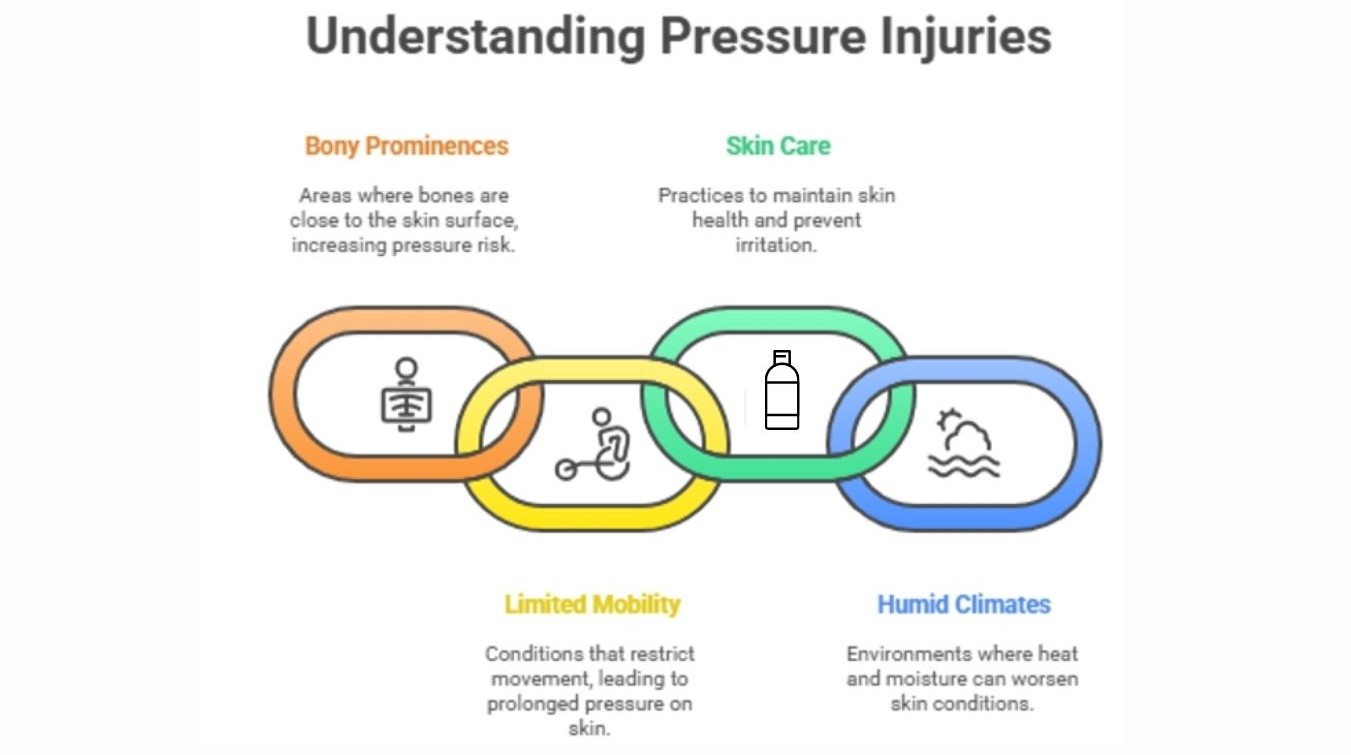
Pressure sores occur when prolonged pressure on the skin reduces blood flow to the underlying tissue, leading to skin and tissue damage. They often develop in areas where bones are close to the surface, especially in individuals who remain in one position for long periods, such as wheelchair users, bedridden patients, or elderly individuals with limited mobility.
• Tailbone and buttocks
• Hips and lower back
• Heels and ankles
• Elbows and shoulders
• Back of the head
In Singapore’s humid climate, heat and perspiration can worsen skin irritation, especially when combined with incontinence. This makes proper skin care and breathable materials even more critical.
Pressure sores can affect anyone, but some individuals are especially vulnerable:
• Elderly adults, especially those above 70;
• People with mobility challenges, including wheelchair users or stroke patients;
• Individuals with incontinence, where moisture weakens skin integrity;
• People with diabetes, poor nutrition or poor circulation;
• Post-surgical patients during recovery.
In long-term care settings or at home, caregivers must be vigilant to catch early signs and implement preventive care routines.
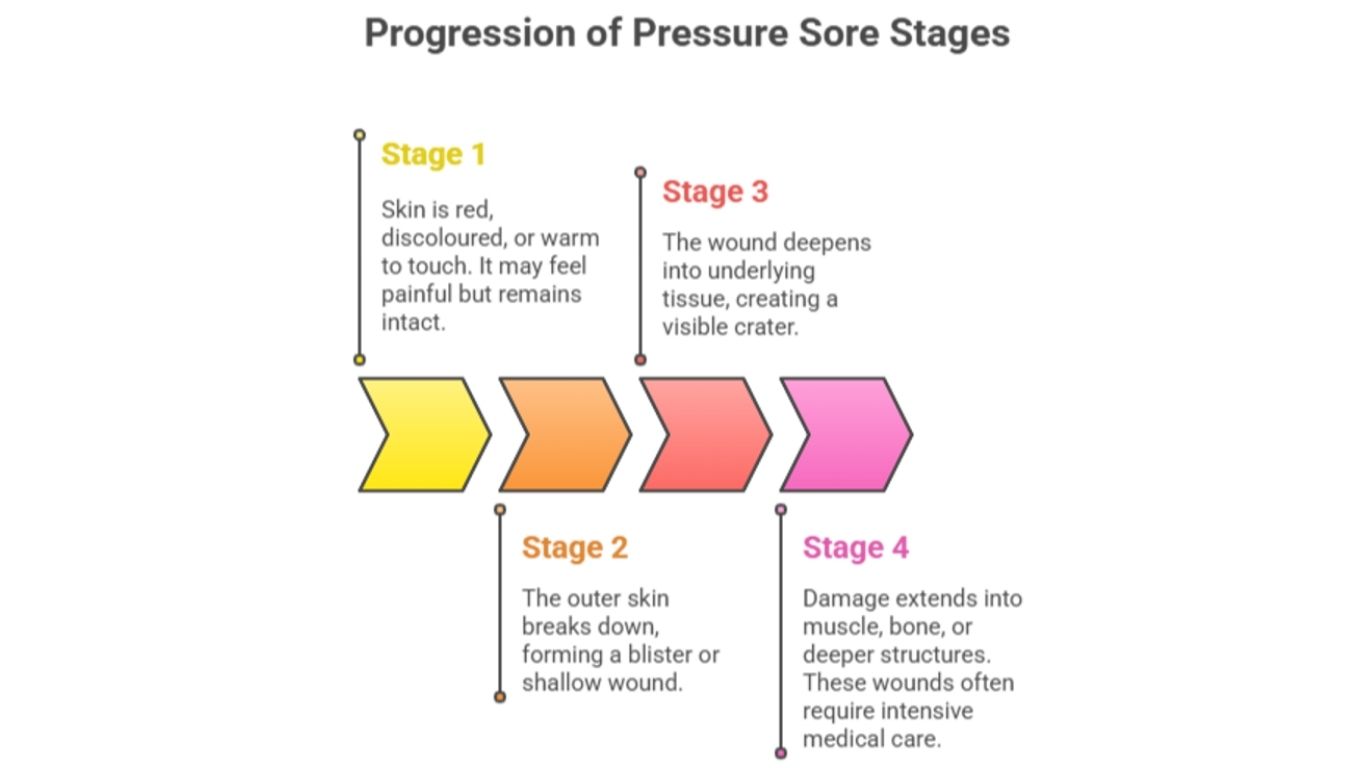
Pressure injuries are classified into four (4) stages, each increasing in severity:
Early detection is key. Treating a Stage 1 sore is much easier than managing one at a Stage 3 or 4.
With prevention, the goal is to relieve pressure, maintain skin health, and improve overall care routines. Here are practical steps for caregivers:
a) Reposition Regularly
Turn or reposition bedridden individuals at least every 2 hours. If using a wheelchair, encourage shifting weight every 30 minutes. Use timers or reminders to stay consistent.
b) Use Pressure-Relieving Aids
Invest in pressure-relief cushions or mattresses, especially for high-risk individuals. These aids help distribute weight evenly and reduce prolonged pressure on bony areas.
c) Keep Skin Clean and Dry
Moist skin is more prone to breakdown. Clean soiled areas promptly and use mild, fragrance-free cleansers. Apply barrier creams to protect the skin, especially in hot and humid environments like Singapore. Have the caregiver do a skin check periodically, as the elderly may not be able to feel they have a pressure sore.
d) Choose Breathable Incontinence Protection
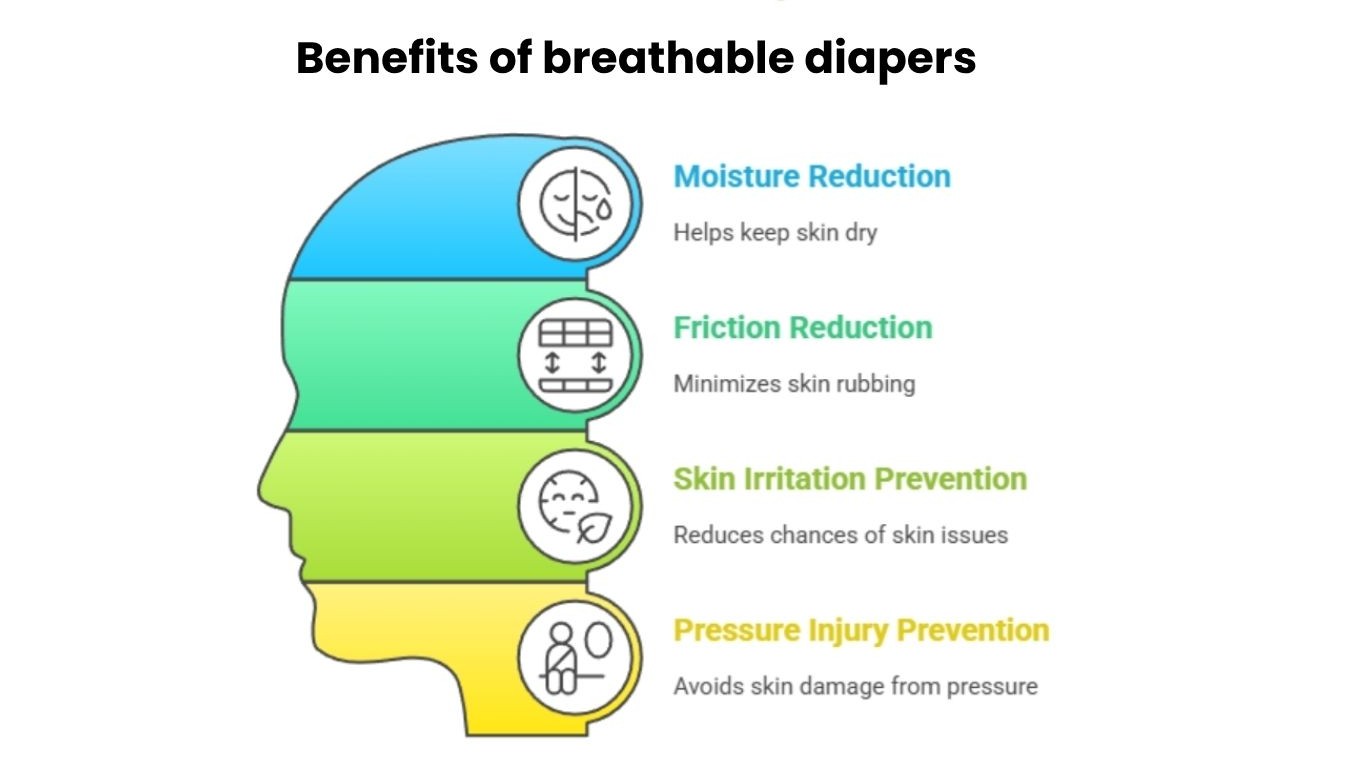
High-quality adult diapers that allow skin to breathe can significantly reduce moisture and friction. Products specially designed for Singapore’s weather, such as breathable, feather-soft diapers, are more effective in preventing skin irritation and pressure injuries.
e) Ensure Good Nutrition and Hydration
Healthy skin starts from within. Make sure your loved one’s diet includes:
• Protein-rich foods (such as fish, eggs, tofu);
• Vitamin C and Zinc for wound healing;
• Adequate water intake, especially important for elderly individuals.
Consult a nutritionist if you’re unsure about meal planning for seniors.
If you're feeling overwhelmed, you're not alone. There are local resources to support caregivers:
• Agency for Integrated Care (AIC): Offers training and financial aid for caregivers;
• Silver Pages (www.silverpages.sg): Connects families to home care and respite services;
• Polyclinics or your GP: Provide wound care support and education.
Pressure sores are painful, and they don’t have to be inevitable. By staying vigilant and creating daily care routines that prioritise mobility, hygiene, and skin health, we can protect the dignity and comfort of those who depend on us.
Whether you’re a caregiver, health aide, or a concerned family member, prevention starts with awareness. Together, let’s build a caring community where no one has to suffer silently from pressure sores.
References
• HealthHub Singapore. Preventing Pressure Injuries https://www.healthhub.sg
• National Pressure Injury Advisory Panel. (NPIAP) https://npiap.com
• Mayo Clinic. Bedsores (Pressure ulcers) https://www.mayoclinic.org/diseases-conditions/bed-sores/symptoms-causes/syc-20355893
Please sign in first.
Sign in
Create a free account to save loved items.
Sign in