

UTI Prevention for Incontinence: Easy, Life-Changing Habits You Can Start Today
Posted on10 Jun 2025

For many people living with incontinence, especially in warm and humid Singapore, urinary tract infections (UTIs) are an all-too-common concern. UTIs are not just uncomfortable, if left untreated, they can cause serious complications like kidney infections or recurring health issues that affect quality of life.
At TrueHugz, we design breathable, ultra-soft adult diapers for maximum comfort in tropical climates, and we also believe in empowering our community with helpful knowledge. In this article, we explain why people with incontinence are more prone to UTIs, what symptoms to look out for, and how you can prevent them with simple lifestyle and hygiene practices.
A urinary tract infection (UTI) happens when bacteria, usually from the bowel, enter the urinary system and cause irritation or infection. The urinary system includes the kidneys, bladder, ureters, and urethra.
UTIs are more common in:
• Women due to shorter urethras;
• Older adults;
• People who use catheters;
• Individuals who are incontinent and wear diapers.
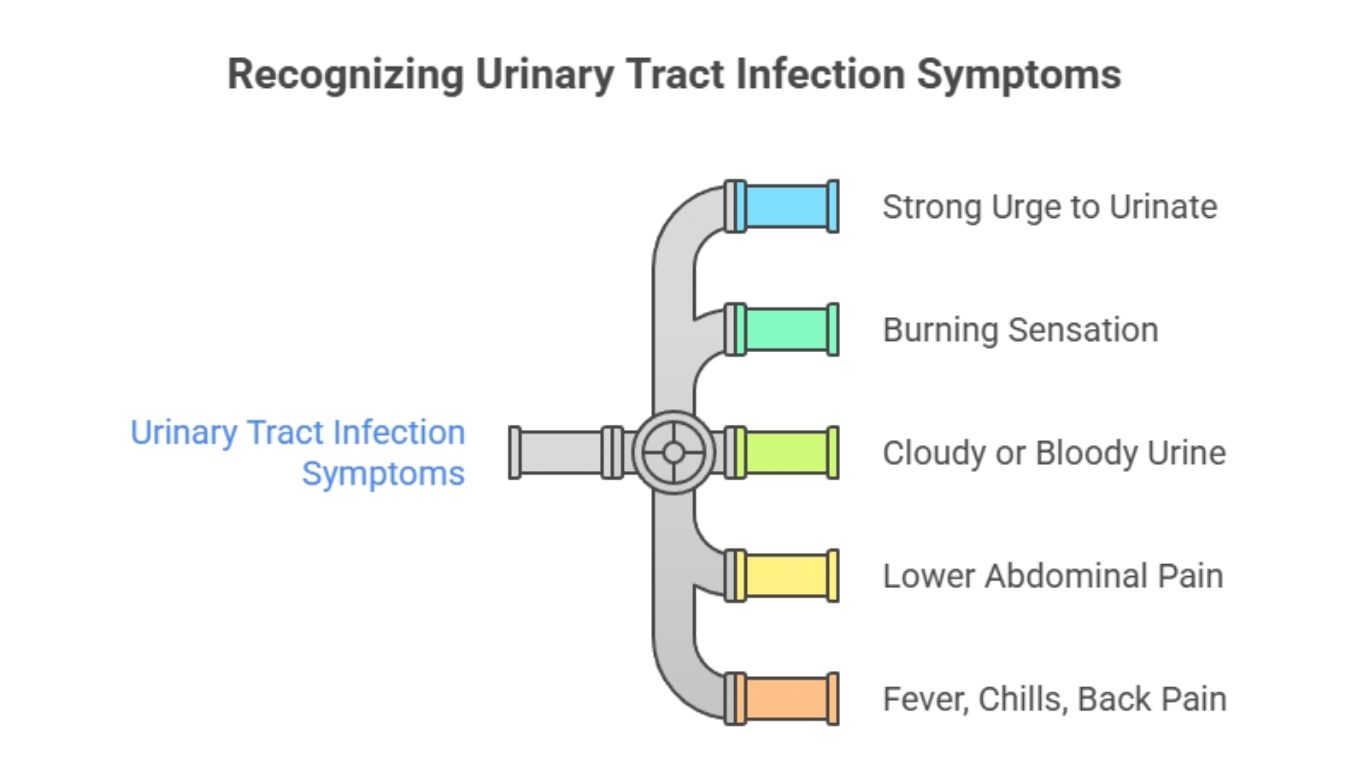
Don’t ignore these signs, especially if they appear together:
• Strong or sudden urge to urinate;
• Burning or stinging feeling when urinating;
• Cloudy or bloody urine with a strong smell;
• Pain or pressure in the lower abdomen or pelvic area;
• Fever, chills, or back pain. This happens when infection spreads to the kidneys.
If you or someone you care for experiences these symptoms, see a doctor promptly.
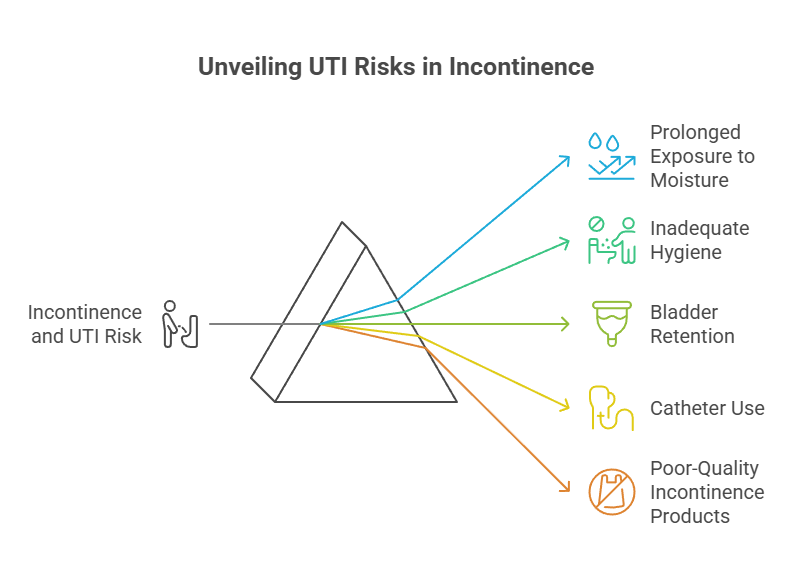
Incontinence increases UTI risk because the skin and genital area are often in contact with urine or stool. Here are common reasons:
a) Prolonged Exposure to Moisture
Wearing adult diapers for long periods without changing allows bacteria to multiply in a warm, damp environment.
b) Inadequate Hygiene
Improper wiping or infrequent cleansing introduces harmful bacteria near the urethra.
c) Bladder Retention
Incomplete emptying of the bladder, especially among older adults or those with mobility issues, can leave behind urine that encourages bacterial growth.
d) Catheter Use
People who rely on catheters, either intermittently or long-term, face higher infection risks if hygiene protocols aren't followed closely.
e) Poor-Quality Incontinence Products
Diapers that are non-breathable or slow to absorb moisture increase skin irritation and infection risk.
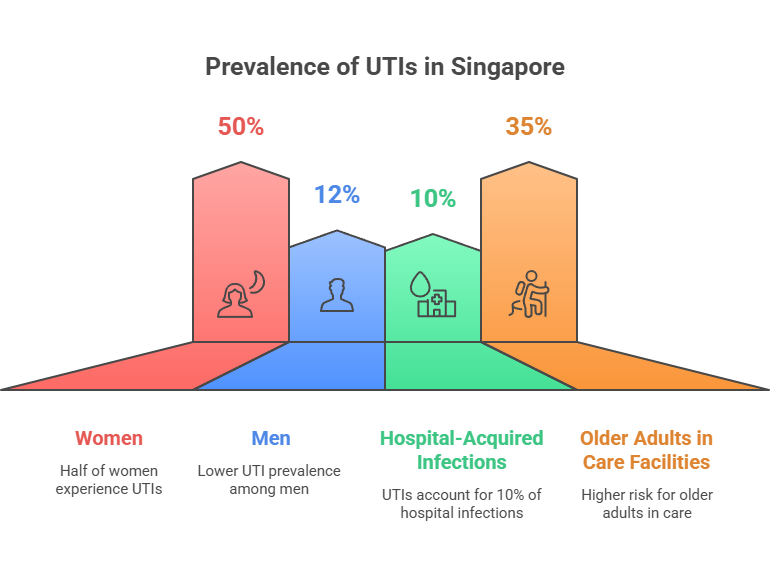
UTIs are one of the most common infections worldwide, and the numbers are significant in Singapore too:
• Around 50% of women and 12% of men will experience a UTI in their lifetime.
• In Singapore, UTIs account for about 10% of hospital-acquired infections among adults.
• Older adults in care facilities are at 30–40% higher risk, especially those with limited mobility or chronic illnesses.
(References: Singapore Ministry of Health, World Health Organization, National Institute on Aging)
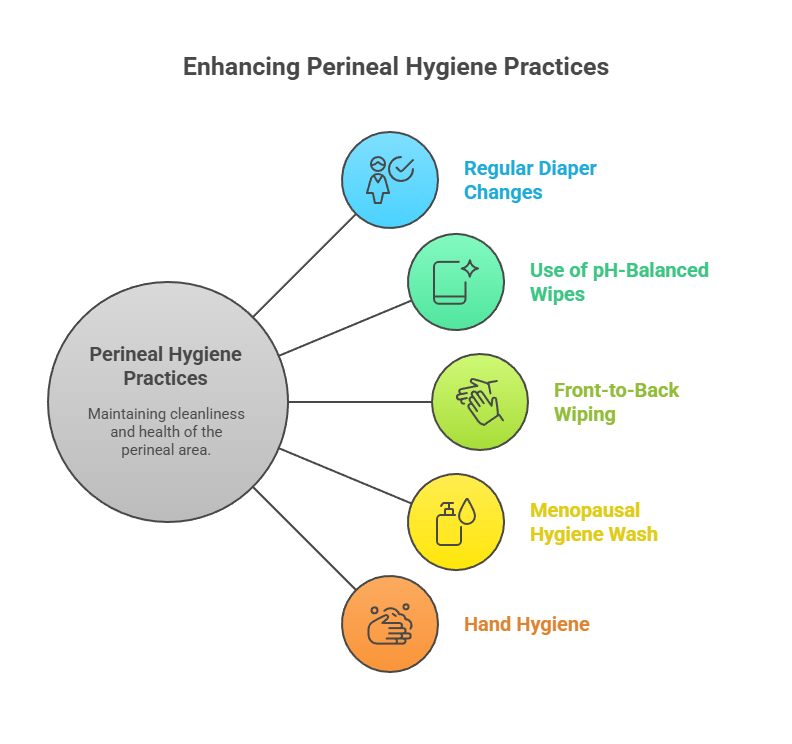
a) Maintain Good Perineal Hygiene
• Change adult diapers regularly. Ideally every 3 to 4 hours, or more if needed. Poor quality diapers call for more frequent changes to prevent skin breakdown and infection.
• Use alcohol-free, pH-balanced wipes to gently clean the area after each change.
• For women, always wipe from front to back to prevent bacteria from the anus reaching the urethra.
• Consider using a menopausal hygiene wash for women, especially post-menopause. These washes are less drying than regular soaps, help maintain the natural vaginal pH, and reduce irritation, all of which can lower the risk of infection. Personally, I started using this during the menopause period and find it very helpful to reduce UTI occurrences.
• Wash hands before and after changing diapers to avoid cross-contamination.
Note: While menopausal washes are specifically formulated for women, men may benefit from mild, pH-balanced washes designed for sensitive skin to avoid irritation and support overall hygiene.
b) Use Breathable, High-Quality Diapers
• Choose adult diapers with fast absorbency and breathable outer layers.
• Avoid low-quality diapers that trap heat and moisture. This is especially crucial in Singapore’s climate.
• At TrueHugz, our pull-up pants and tape diapers are all designed to keep skin cool and dry.
c) Drink More Water
• Staying hydrated helps flush out bacteria naturally through urination. Drink plenty in the day and tail it off towards the evening to reduce leaks at night.
• Limit caffeine, alcohol, or sugary drinks which can irritate the bladder.
d) Ensure Proper Bladder Emptying
• Take your time during urination to fully empty the bladder.
• If you feel like you can’t void completely, consult your doctor. This could be a sign of bladder retention.
e) Include UTI-Fighting Foods in Your Diet
• Cranberry juice or supplements may help reduce bacterial adhesion.
• Probiotic foods like yogurt, kimchi, or kefir can improve your gut and urinary tract health.
• Eat plenty of vitamin C-rich foods like guavas, oranges, and capsicums to boost immunity and reduce bacterial growth.
Do not delay if symptoms like burning urination, fever, or strong-smelling urine appear. Early treatment with antibiotics can prevent serious kidney infections or hospitalisation. For individuals who are bedridden or non-verbal, caregivers should monitor for signs like unusual urine odour, confusion, or sudden agitation.
References
• Singapore Ministry of Health. (2023). "Urinary Tract Infections: Prevention and Treatment."
• World Health Organization (WHO). (2023). "Global Burden of Urinary Tract Infections."
• National Institute on Aging. (2024). "UTIs and Aging: Risks and Prevention."
Please sign in first.
Sign in
Create a free account to save loved items.
Sign in