

Busted! 7 Common Myths About Incontinence You Should Stop Believing
Posted on25 Jun 2025

Incontinence, also known as the loss of bladder or bowel control, is more common than most people think. Yet, it’s often misunderstood, wrapped in stigma, and rarely talked about openly. In Singapore, where ageing is on the rise, understanding incontinence is more important than ever.
If you or someone you love is dealing with incontinence, it’s time to separate fact from fiction. Let's bust the top 7 myths about incontinence and empower you with the truth.
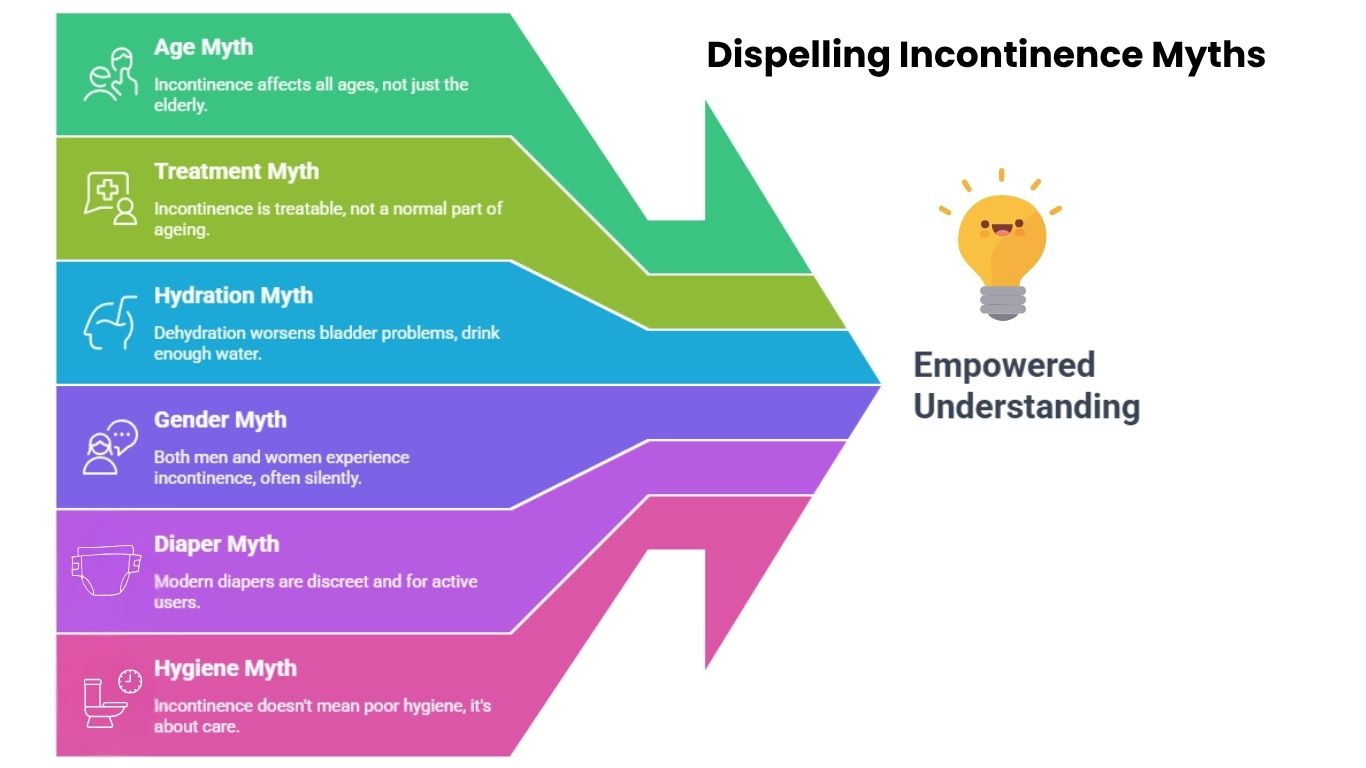
Truth: While incontinence becomes more common with age, it can affect people of all ages.
In Singapore, a 2022 study by the National University Hospital showed that up to 1 in 3 women over 40 experience some form of urinary incontinence. But it also affects:
• Postpartum mothers (due to pelvic floor trauma during childbirth)
• Teens and young adults with neurological conditions
• People with spinal cord injuries or spina bifida
• Men with prostate conditions or surgery
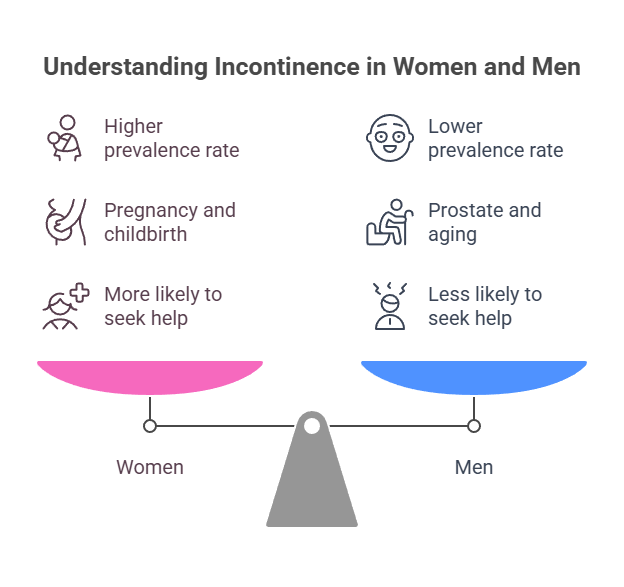
Did You Know? Urinary incontinence affects up to 38% of women and 11% of men worldwide, according to the International Continence Society
Truth: Incontinence is common but not normal. It is a medical condition that can be treated or managed.
Often, incontinence is caused by treatable issues like:
• Weak pelvic floor muscles
• Enlarged prostate
• Urinary tract infections
• Medication side effects
In Singapore, early intervention through pelvic floor physiotherapy and continence clinics can significantly improve symptoms.
Truth: Dehydrating yourself may worsen bladder problems.
When you don’t drink enough water:
• Your urine becomes more concentrated, irritating the bladder
• You may develop UTIs, especially in humid climates like Singapore
• Constipation can increase, pressing on the bladder and worsening leaks
Instead, aim for small, consistent sips of water throughout the day. Avoid large intakes before bed and limit caffeine or alcohol, which are bladder irritants.
Truth: While it’s true that women are more likely to develop urinary incontinence, especially due to pregnancy, childbirth, and menopause, men, however, are not immune. In fact, millions of men worldwide experience incontinence, often due to prostate issues, neurological conditions, or after certain surgeries.
Studies show that:
• 1 in 4 women over 18 experience some form of incontinence.
• 1 in 9 men report bladder control problems, with rates increasing significantly after age 60.
For men, common causes include:
• Prostate surgery (example after prostate cancer treatment)
• Enlarged prostate, which can obstruct urine flow
• Neurological disorders like Parkinson’s or spinal cord injuries
• Diabetes or chronic coughing, which can weaken pelvic muscles
The stigma around male incontinence often leads to underreporting, but the condition is treatable at any age or gender. Seeking help early from a healthcare provider can lead to effective solutions, from pelvic floor therapy to medication or minimally invasive procedures.
Truth: Modern adult diapers are designed for independent, mobile users too.
At TrueHugz, we created products like:
• CoolDiscreet Pull Up Pants: for working adults and social activities
• CoolComfort Tape Diapers : for long daytime wear
• CoolGuard Tape Diapers : for heavy protection or overnight use
Unlike bulky, plasticky versions of the past, today’s premium diapers are:
• Thin and breathable, yet highly absorbent
• Skin friendly for Singapore’s humid weather
• Discreet under clothing
You can work, travel, and live actively, with the right fit and absorbency level.
Truth: Incontinence isn’t about cleanliness, it’s about medical care and good skin routines.
With proper care, people with incontinence stay clean, odour-free, and healthy:
• Change products regularly
• Use pH-balanced wipes and barrier creams
• Choose breathable diapers to prevent moisture build-up
• Maintain skin checks to prevent pressure injuries or rashes
Truth: The real shame is not getting support.
Incontinence is nothing to hide yet, many suffer in silence due to stigma. Talking about it openly:
• Helps loved ones receive better care
• Reduces isolation and shame
• Creates a community of understanding
In Singapore, over 400,000 seniors are at risk of incontinence by 2030. That’s why initiatives like TrueHugz's Hugz Voices blog newsletter and continence education by local resources for example, Society for Incontinence Singapore are vital. Let’s normalize the conversation. Share, support, and seek help early.
It’s time to bust these myths and take back control. Whether you’re managing bladder leaks yourself or caring for a loved one, accurate knowledge empowers better choices.
At TrueHugz, we design our products and community to restore confidence, comfort, and dignity, because incontinence doesn’t define you.
Reference
• HealthHub Singapore, Urinary Incontinence Guide
• Society for Continence Singapore
• MOH Clinical Guidelines on Urinary Incontinence
• Singapore General Hospital Urology Department
• National University Hospital Incontinence Services
• Agency for Integrated Care (AIC), Caregiver Support
• Continence Foundation of Australia , Patient & Carer Resources
Please sign in first.
Sign in
Create a free account to save loved items.
Sign in