

Stroke and Incontinence in Singapore: A Caregiver’s Guide
Posted on29 Sep 2025

A stroke can change life suddenly not only for the survivor but also for their family and caregivers. While mobility, speech, and memory are commonly discussed, one often overlooked effect is incontinence. the loss of bladder or bowel control.
This condition can be distressing and isolating. Yet, with the right understanding, medical care, and support, stroke survivors can continue living with dignity and comfort.
A stroke happens when the blood supply to part of the brain is blocked or when a blood vessel bursts. Without enough oxygen, brain cells begin to die within minutes, which can lead to lasting disability or even death. Depending on which part of the brain is affected, a stroke can cause problems with movement, speech, memory, and bladder or bowel control.
In Singapore, stroke is one of the top causes of adult disability, especially among those over 50.
The good news is that many strokes are preventable. Lifestyle choices play a major role in lowering risk. Managing high blood pressure, diabetes, and cholesterol, along with avoiding smoking and heavy alcohol use, can greatly reduce the likelihood of stroke.
Regular exercise, a balanced diet, and routine health screenings are simple but effective steps. While not all strokes can be avoided, early detection of risk factors and healthy living can make a significant difference.
A stroke interrupts blood supply to parts of the brain. Depending on where the damage occurs, it may affect the nerves and muscles involved in bladder and bowel control. Common causes include:
• Muscle weakness or paralysis, makes it difficult to reach the toilet in time.
• Loss of sensation, reduced awareness of a full bladder or bowel.
• Cognitive challenges, difficulty recognising the urge or remembering how to use the toilet.
• Medication side effects, some stroke drugs may cause constipation or urinary urgency.
• Reduced mobility, the urge is felt, but getting to the toilet quickly may be impossible without help.
Not all incontinence looks the same. After a stroke, survivors may experience:
• Urinary incontinence, urgency, leakage, or incomplete emptying.
• Bowel incontinence, loss of control over stool or gas.
• Functional incontinence, when bladder or bowel function is intact, but mobility or communication issues prevent timely toileting.
Incontinence after stroke affects more than just the body.
• Survivors may feel embarrassment, social withdrawal, or skin problems (rashes, infections).
• Caregivers may face added stress, physical strain, and burnout.
The key thing to remember is: incontinence is common, treatable, and often improves with time and therapy.
Effective continence care involves a mix of medical support, lifestyle adjustments, and practical strategies.
Always start with professional guidance. A doctor or continence nurse may recommend:
• Keeping a bladder or bowel diary to track patterns.
• Urine tests to rule out infections.
• Bladder scans or imaging to check function.
• Specialist referrals for persistent issues.
Common approaches:
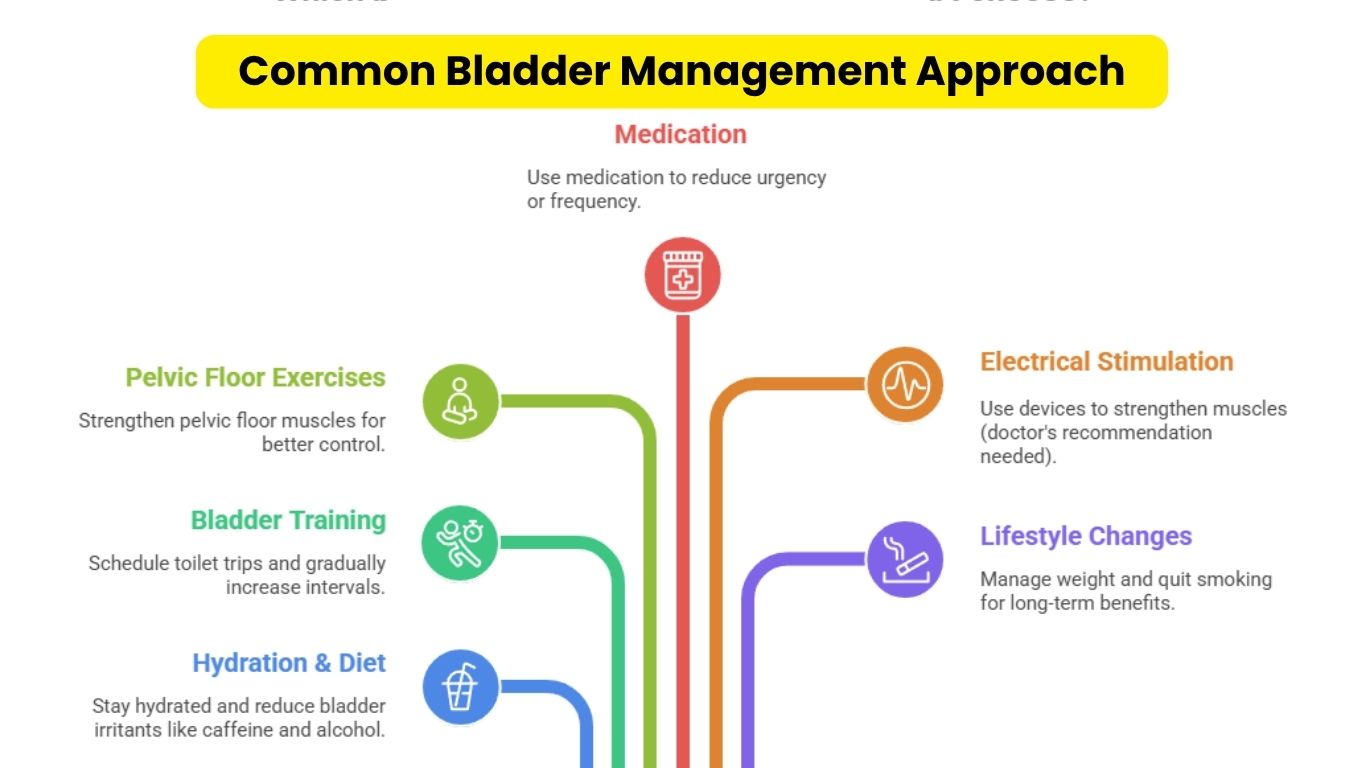
• Stay hydrated but reduce caffeine and alcohol as they can irritate the bladder.
• Bladder training: scheduled toilet trips, gradually increasing the time between visits.
• Pelvic floor exercises to strengthen control.
• Medication to reduce urgency or frequency.
• Electrical stimulation devices to strengthen muscles (if recommended by doctor).
• Weight management and quitting smoking for long-term improvements.
Common approaches:
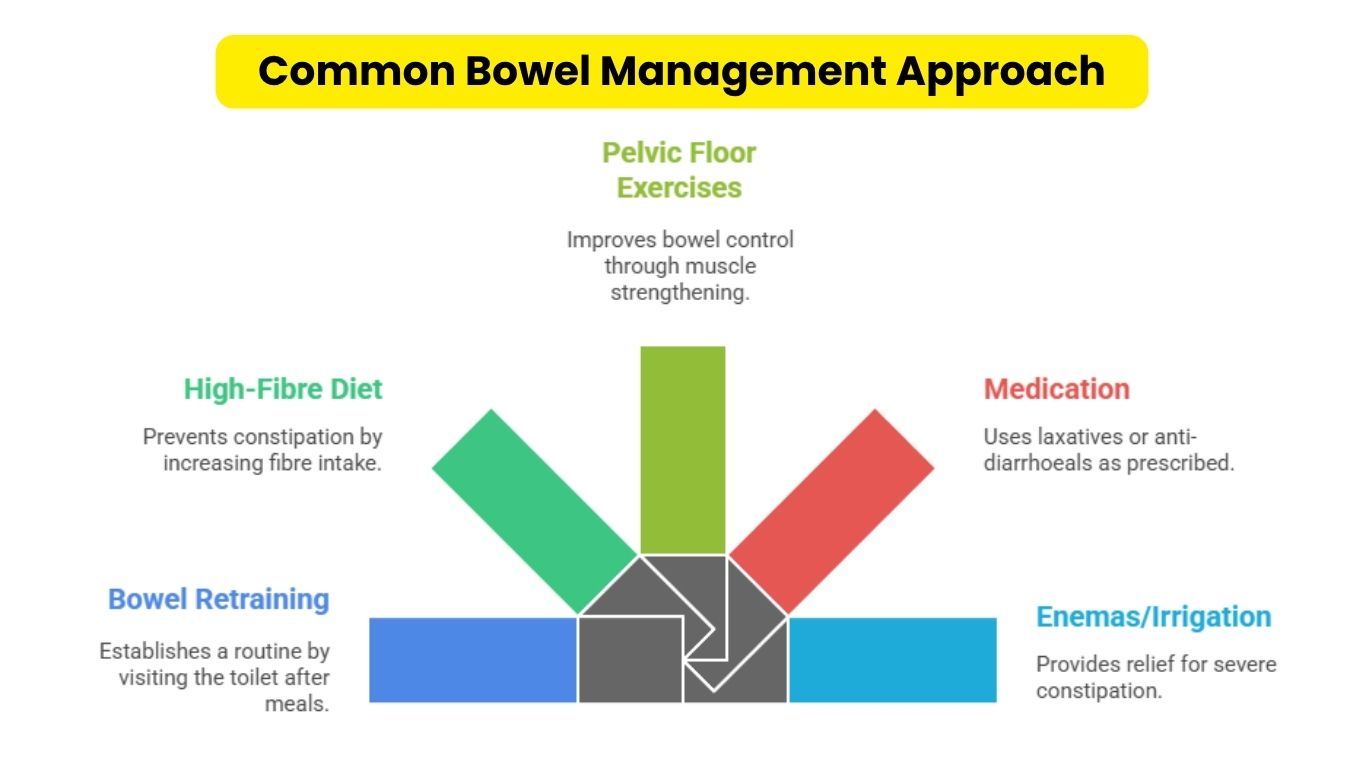
• Bowel retraining: visiting the toilet after meals to build routine.
• High-fibre diet and fluids to prevent constipation.
• Pelvic floor exercises for better bowel control.
• Laxatives or anti-diarrhoeals (as prescribed by doctors).
• Enemas or bowel irrigation for severe constipation.
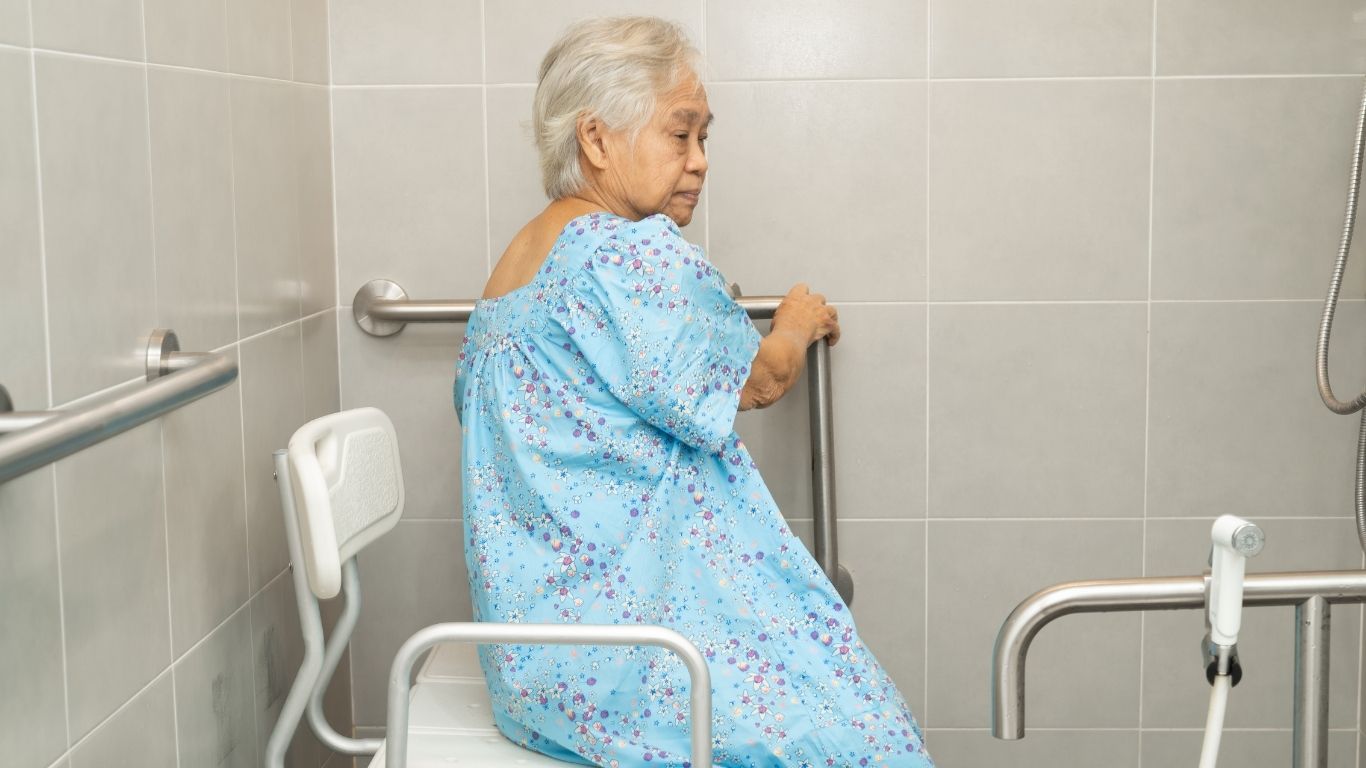
Work with the Occupational Therapist on making your home safe such as any bathroom modifications. Other tips includes:
• Place commodes or urinals near the bed.
• Install grab bars and non-slip mats in the bathroom.
• Choose easy-to-remove clothing for faster access.
Recovering from a stroke often involves a care team that also addresses continence needs:
Physiotherapists: Support safe mobility and transfers.
Occupational Therapists: Recommend home adaptations and equipment.
Dietitians: Advise on diet and fluid management for bladder and bowel health.
Speech Therapists: Improve communication for expressing care needs.
Medical Social Workers: Connect families with financial aid and community resources.
Nurses: Provide continence care strategies and product guidance.
Here are some continence care solutions to consider:
• High-absorbency, breathable adult diapers or pull-up pants reduce accidents and skin irritation.
• Frequent changes is encouraged to prevent rashes and infections. Every 3 to 4 hours or whenever soiled.
• Products designed for hot, humid climates like TrueHugz ensure comfort and reduce skin rashes, even in Singapore’s weather.
• Other Items like Barrier creams for skin protection, Underpads for bed protection, or Catheters may be needed as advice by your nurse.
Caring for a loved one with incontinence can feel overwhelming. Balancing dignity, comfort, and daily care routines often brings emotional strain for both carers and patients.
• Encourage open conversations, silence increases stress.
• Caregivers can join training by AIC or rehab centres.
• Stroke support groups like Singapore National Stroke Association (SNSA), S3 and caregiver networks such as SGAssist and CaringWheels offer emotional support and practical guidance.
• Singapore National Stroke Association (SNSA) provides support groups and resources for stroke survivors and caregivers
• Agency for Integrated Care (AIC) offers information on home nursing, respite, and financial help such as the Home Caregiving Grant
• Community Rehabilitation Centres (CRCs) provide therapy to regain mobility and continence control. Check SupportGowhere gov agency.
• Hospitals’ stroke rehab units such as SGH, Alexandra, Tan Tock Seng amongst others, offer post-discharge continence management advice
Incontinence after stroke is a common challenge, however, with a combination of medical care, practical adjustments, and the right products, many survivors regain confidence and independence.
At TrueHugz, we design adult diapers and pull-up pants for comfort, breathability, and dignity, helping stroke survivors and caregivers focus on what truly matters , recovery, confidence, and quality of life.
Reference
• Singapore National Stroke Association (SNSA). Understanding Stroke. https://www.snsa.org.sg
• HealthHub SG (Ministry of Health Singapore). Stroke, Causes, Symptoms, and Management. https://www.healthhub.sg
• National Library of Medicine. Urinary Incontinence After Stroke: Pathophysiology and Management. https://pubmed.ncbi.nlm.nih.gov
Please sign in first.
Sign in
Create a free account to save loved items.
Sign in