

Dementia and Incontinence: A Caregiver’s Guide to Dignity and Care
Posted on18 Sep 2025

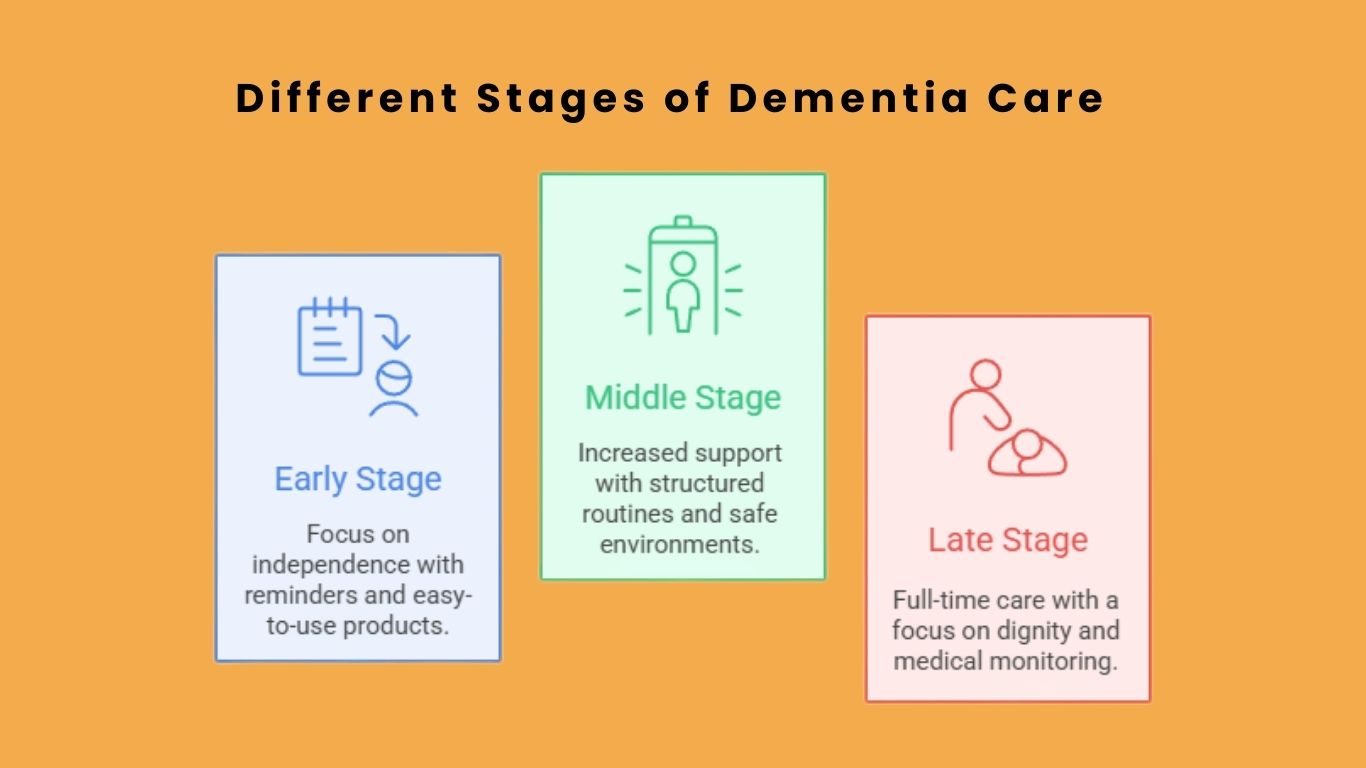
Caring for a loved one with dementia can be both deeply meaningful and incredibly challenging. One of the most sensitive yet common issues that caregivers face is incontinence. As dementia progresses, changes in memory, mobility, and communication can affect a person’s ability to recognise or manage their toileting needs.
At TrueHugz, we believe in supporting caregivers with knowledge, compassion, and practical tools. This guide explores the relationship between dementia and incontinence, and offers step-by-step strategies for managing it with care and dignity at every stage.
Dementia is a condition that affects the brain and describes a set of symptoms including memory loss, poor judgment, confusion, and changes in behavior. These symptoms become severe enough to interfere with daily life and independence.
It is important to note that dementia is not a normal part of ageing, although older adults are at higher risk. Dementia occurs when brain function declines over time, making everyday activities increasingly difficult.
Alzheimer’s disease is the most common type of dementia, followed by vascular dementia. In Singapore, about 6.2% of people aged 65 and above live with dementia. Beyond the individual, dementia also brings emotional and practical challenges to caregivers and families who provide daily support.
There is currently no cure or guaranteed way to prevent dementia. However, research suggests that adopting a healthy lifestyle can help lower the risk or delay its onset. Some practical steps include:
• Stay mentally active through learning, reading, or puzzles
• Being socially connected with family, friends, or community groups
• Eating a balanced and nutritious diet
• Engaging in regular physical activity
Incontinence does not happen because of dementia alone, but dementia increases the likelihood of it. Reasons include:
• Memory loss: Forgetting where the toilet is, or not recognising the urge to go.
• Confusion: Misunderstanding how to use the toilet, or mistaking other places for it.
• Mobility challenges: Difficulty moving quickly enough, especially in later stages.
• Communication barriers: Inability to express the need to use the toilet.
• Medical changes: Co-existing conditions like prostate issues, constipation(it may happen more as the person may forget to drink water) , or urinary tract infections.
At this stage, your loved one may still be independent but may need reminders.
Tips for caregivers:
• Establish a toileting routine (e.g., after meals, before bed).
• Place clear signage or pictures leading to the bathroom.
• Keep clothing easy to remove, elastic waistbands over buttons or zippers.
• Be patient with occasional accidents, and keep spare clothing nearby.
Products to consider: Light absorbent pads or pull-ups like TrueHugz CoolDiscreet Pants, designed to look and wear like underwear.
Memory loss and confusion deepen, and incontinence becomes more frequent.
Tips for caregivers:
• Take your loved one to the toilet every 2–3 hours, even if they don’t ask.
• Create a safe bathroom environment: non-slip mats, grab bars, good lighting.
• Offer gentle prompts instead of direct commands (e.g., “Let’s freshen up”).
• Keep a journal for them on what they need to do as part of daily living.
• Prepare for occasional resistance, keep tone calm and respectful.
Products to consider: TrueHugz CoolComfort Diapers for daytime or night time protection with breathable, cotton-soft comfort.
Your loved one may no longer recognise the toilet or be able to control their bladder or bowels. At this stage, full-time support is needed.
Tips for caregivers:
• Maintain skin care: change diapers frequently, clean gently, and use barrier creams to prevent rashes.
• Protect bedding and furniture with waterproof covers.
• Prioritise dignity: cover the body with a towel during changes, and speak reassuringly.
• Monitor for medical issues like Urinary tract infections (UTIs) or constipation, which can worsen confusion or agitation.
Products to consider: TrueHugz CoolGuard Diapers for maximum absorption and overnight protection.
Incontinence can feel like a loss of independence for a person with dementia. As caregivers, the way we respond matters:
• Avoid shame or blame, accidents are not intentional.
• Use positive language, instead of “diaper”, say “protective underwear” or “hygiene product.”
• Protect privacy, close doors, cover with towels, involve only those necessary.
• Remember self-care, caregiving can be exhausting; seek respite, support groups, or professional advice. You are not alone, there are many resources available such as Dementia Hub SG, SGAssist, CaringWheels amongst other, that offer training and support for caregivers in Singapore.
Dementia and incontinence are sensitive topics, but with preparation, empathy, and the right products, caregivers can provide care that protects both health and dignity.
At TrueHugz, we design adult incontinence products, pull-ups and tape diapers that are soft, discreet, breathable, and highly absorbent, giving both caregivers and loved ones peace of mind.
Request a Free Sample today and experience the comfort of TrueHugz for yourself.
Reference
• Dementia Hub SG. https://www.dementiahub.sg
• Alzheimer’s Association. Dementia-related behaviors. https://www.alz.org
• National Association for Continence. Incontinence and dementia. https://www.nafc.org
• Mayo Clinic. Urinary Incontinence: Symptoms and causes. https://www.mayoclinic.org
Please sign in first.
Sign in
Create a free account to save loved items.
Sign in