

Understanding the Common Causes of Incontinence
Posted on18 Mar 2025
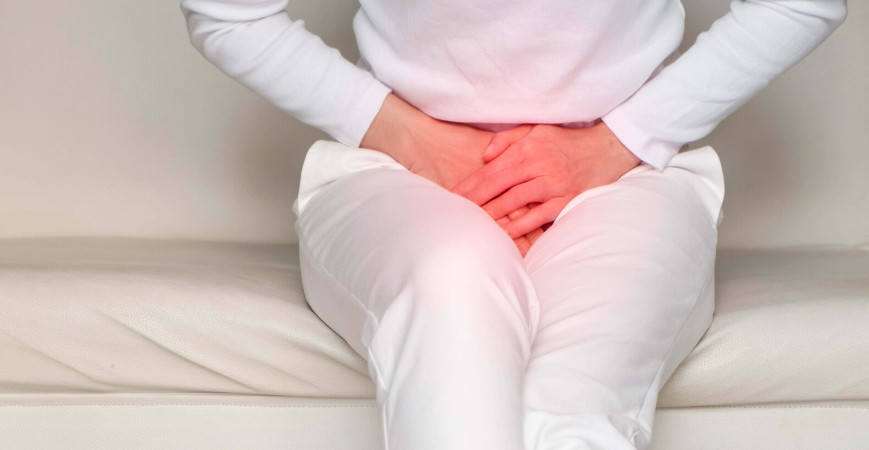
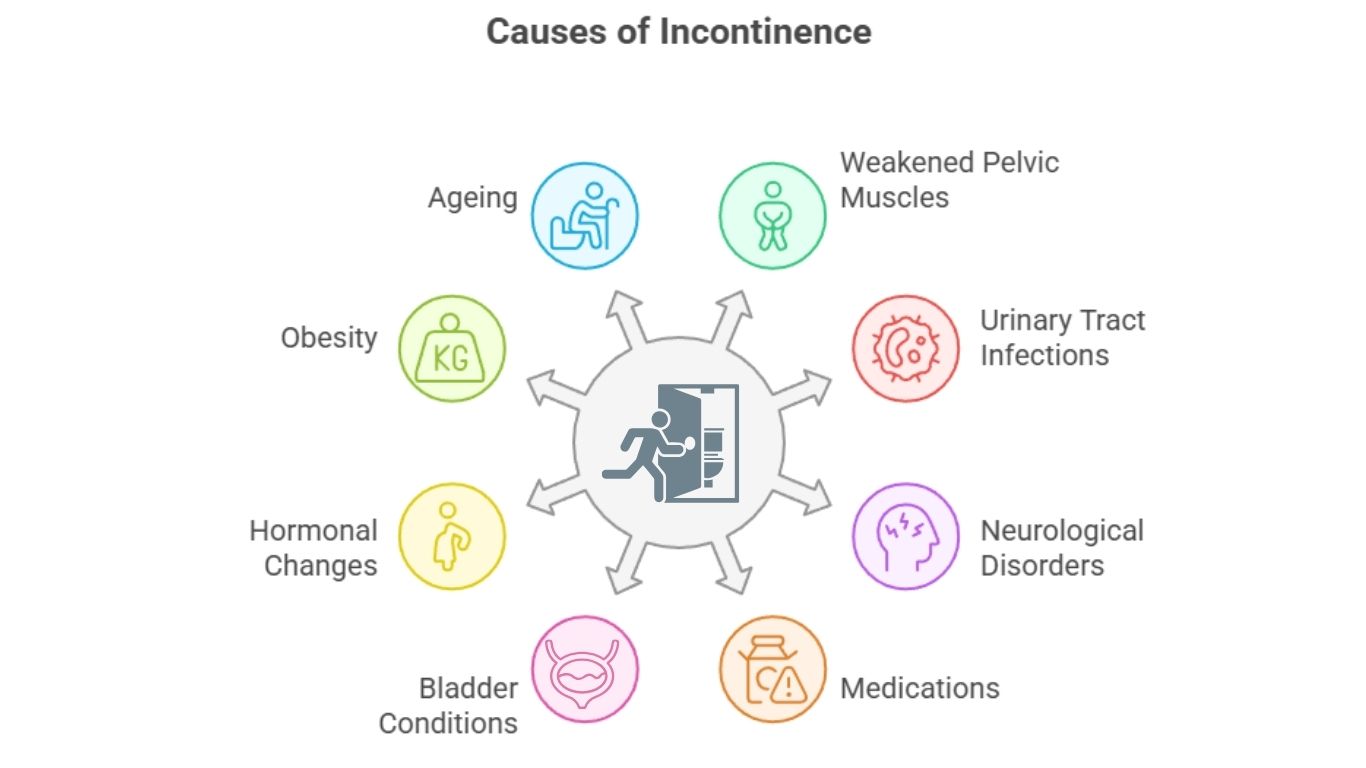
Incontinence can result from a variety of factors, which can be broadly categorised into physical, medical, and lifestyle-related causes. The common causes include:
The pelvic floor muscles, which support the bladder and other organs, may weaken due to age, childbirth, or other factors. This can lead to stress incontinence, where urine leaks during activities like coughing, sneezing, or lifting.
UTIs can irritate the bladder, leading to frequent and urgent urination or leakage. The infection can cause a sudden urge to urinate and difficulty controlling it.
Conditions like multiple sclerosis, Parkinson’s disease, and spinal cord injuries can affect the nervous system's ability to communicate with the bladder, leading to incontinence.
Some medications, especially diuretics (water pills), can increase urine production, making it difficult to control urination. Other medications may affect the bladder’s ability to contract and empty fully.
Conditions like bladder stones, bladder cancer, or interstitial cystitis (a chronic bladder condition) can cause incontinence. These conditions may irritate the bladder or interfere with normal urine storage and elimination.
Hormonal fluctuations, especially in women during pregnancy, childbirth, or menopause, can weaken the pelvic muscles and lead to incontinence. In particular, decreased estrogen levels during menopause can affect the bladder and urethra.
Excess weight can put pressure on the bladder and surrounding muscles, leading to urinary incontinence, particularly during physical activities or while coughing or sneezing.
As people age, the bladder’s ability to expand and hold urine may decrease, and the muscles controlling urination may weaken. This can result in both urinary and bowel incontinence.
Regardless of the causes, having access to high-quality incontinence care products is essential in your journey toward comfort and confidence; products that protect and secure you without making it obvious that you’re wearing adult incontinence products.
We hear you! At TrueHugz, our high-quality products are designed by users and caregivers, specially crafted for Singapore’s hot and humid climate. They are thinner yet highly absorbent, providing discreet protection when you need it most.
Reference
• National Association for Continence. (n.d.). Urinary incontinence causes and treatment https://www.nafc.org
• Mayo Clinic. (n.d.). Urinary Incontinence: Causes and Treatments. https://www.mayoclinic.org
• Cleveland Clinic. Incontinence causes. https://my.clevelandclinic.org
• The Urology Foundation About urinary Incontinence. https://www.theurologyfoundation.org
Please sign in first.
Sign in
Create a free account to save loved items.
Sign in