

Seasonal Changes & Incontinence: What Travellers Should Know
Posted on19 Dec 2025
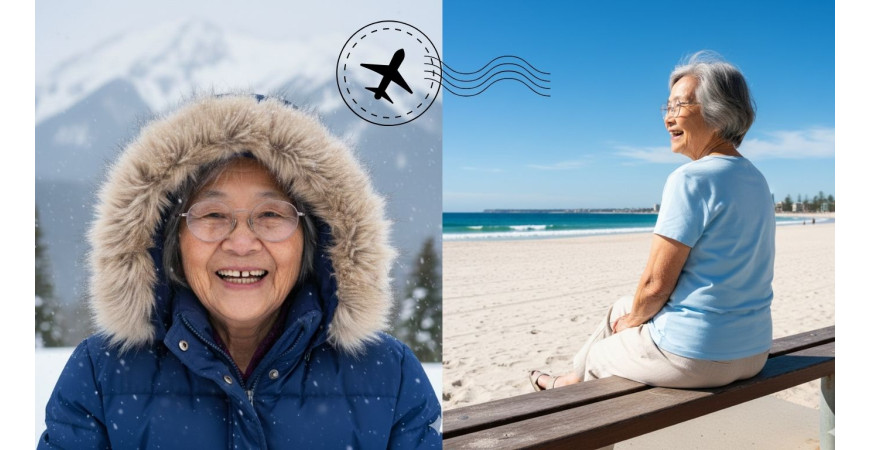
Travelling from Singapore’s warm, stable climate to countries with four distinct seasons can be refreshing, but also a physical adjustment, especially for individuals managing incontinence.
Temperature shifts, humidity levels, and seasonal routines can influence bladder and bowel behaviour more than many realise. Understanding how your body responds helps you prepare, stay comfortable, and enjoy your travels with confidence.
Seasonal changes have an impact on the body and hence affects incontinence too.
In colder climates, the body naturally redirects blood flow inward to stay warm. This causes the kidneys to produce more urine, a physiological reaction often called cold diuresis. The result? More frequent bathroom visits, stronger urges, and potentially a higher risk of leaks.
Pelvic floor muscles function best when your body is warm and relaxed. Cold temperatures can cause muscle tightening, making it slightly harder to hold urine or stool. This can amplify urgency or stress leakage, especially when you cough or move suddenly in colder weather.
In dry cold climates, even if you don’t feel thirsty, dehydration can happen quickly. Many travellers drink less water to avoid toilet breaks, but this can irritate the bladder and make urine more concentrated, increasing urgency and discomfort. Drinking less can also affect your bowel movement and cause constipation which increased discomfort.
High temperatures and humidity in summer can promote skin moisture build-up. For individuals using incontinence products, this may increase the risk of chafing or discomfort if products are not breathable or changed frequently. For places where the air is dry, the skin can feel dry and itchy very fast.
Shorter daylight hours in autumn or winter can affect mood and stress levels. Anxiety and seasonal low moods may worsen bladder sensitivity or urgency for some individuals. Whereas, summer days are longer and the sun rises much earlier, you may wake up earlier than normal, so ensure you have enough sleep.
Travel itself can also contribute to stress, making incontinence worse. Practise mindfulness techniques, deep breathing and meditation can help reduce anxiety and improve your bladder control.
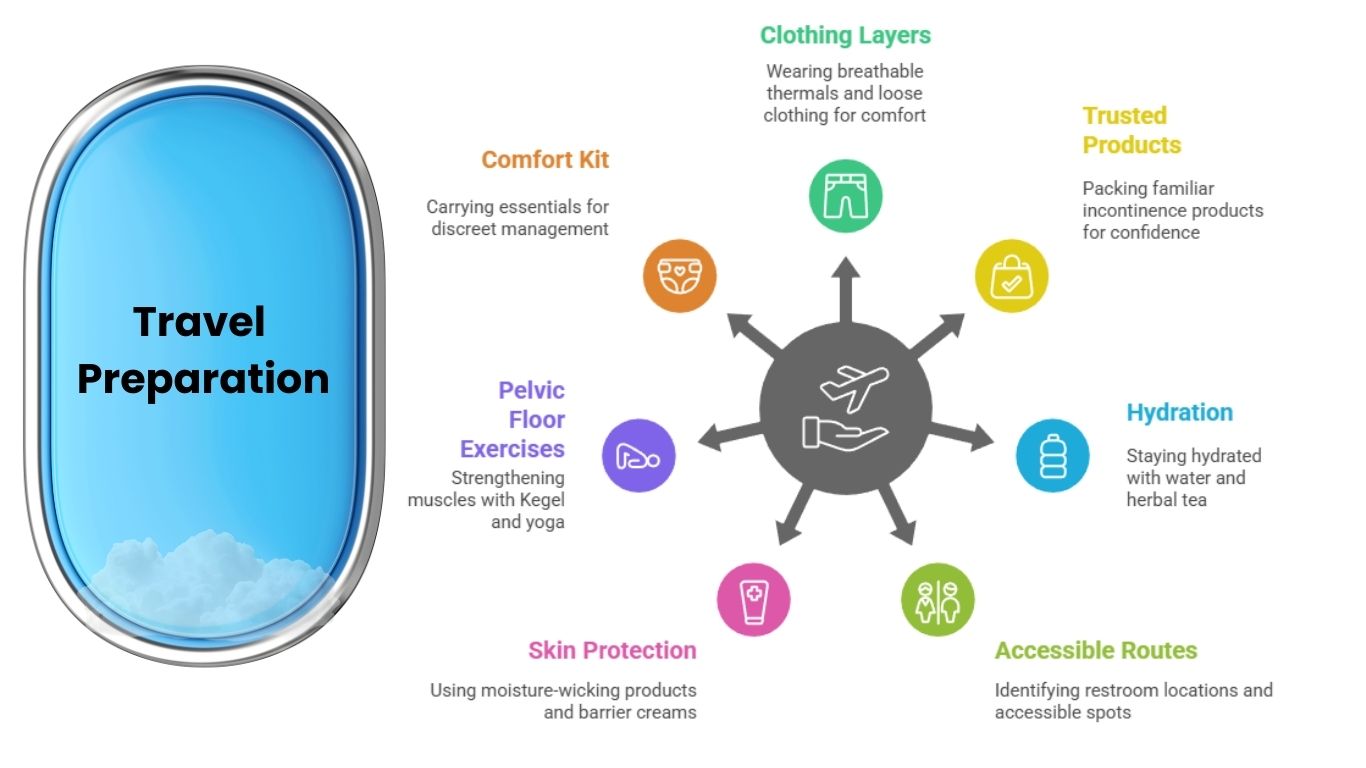
If you’re planning to travel to a country with different seasonal conditions, these practical steps can help you stay comfortable and confident:
Maintaining a stable core temperature helps regulate bladder activity.
• Wear breathable thermal layers in winter.
• Bring a light scarf or shawl on flights to stay warm.
• Choose clothing that makes bathroom access easy (elastic waistbands, loose pants, skirts).
Unfamiliar brands overseas may not fit comfortably or offer the same confidence you rely on at home. Using a tape diaper may be easier to change versus a pull up pants during winter period especially if you are wearing multiple layers. Pack enough TrueHugz products for your full trip (plus a few extras).
Drink small amounts of water throughout the day and limit drinking too much at 2-3 hours before bedtime. Avoid bladder irritants such as excessive coffee, carbonated drinks, or alcohol, especially in cold weather. Instead opt for a hot cup of herbal tea to keep warm and hydrated.
Before heading out:
• Identify restroom locations using apps or Google Maps.
• Choose sightseeing spots with accessible and frequent rest stops.
• For snowy or unfamiliar terrains, plan shorter intervals between toilets.
Travel can disrupt your usual routine, so staying mindful of skin health matters.
• Change products regularly, especially in summer heat.
• Use breathable, moisture-wicking, ultra-soft tape diapers or pull-ups to prevent irritation and odour.
• Apply barrier creams to avoid dryness or cracking.
• Check your skin daily in case for any unusual redness or sores.
• Check your diaper for any unusual stains or spots as these are early "tell tale" sign of skin integrity issues.
• Bathe with less soap as it may strip your skin of its natural protection faster.
Performing Kegel exercises helps strengthen your pelvic floor muscle, improve bladder control and reduce leakage. Yoga and Kegel are exercises you can do anywhere and it helps you maintain strength in these crucial muscles.
That can be go everywhere with you or in the rental car. This may Include:
• 1–2 spare tape diapers or pull up pants
• Wet wipes
• foldable disposal bags
• Hand sanitizer
• A spare change of clothing just in case
This ensures you can manage any situation discreetly and stress-free.
Seasonal changes can influence your body, but they don’t have to limit your adventures. With the right preparation and trusted incontinence care, travellers from Singapore can enjoy winter holidays, spring blooms, autumn colours, and summer festivals with total peace of mind.
At TrueHugz, we design our products to support our hot humid weather but many users have told us that it works equally well in all climates. Ultra-soft like cotton, breathable, and super-absorbent, our CoolDiscreet, CoolComfort, and CoolGuard adult diapers help you stay dry, confident, and comfortable, no matter the season, no matter the destination.
Reference
• International Continence Society (ICS) – Bladder function, pelvic floor health, lifestyle factors
• National Institute of Diabetes and Digestive and Kidney Diseases (NIDDK) – Urinary frequency, hydration, bladder irritation
• Bladder & Bowel Community (UK) – Managing incontinence during travel and seasonal changes
Please sign in first.
Sign in
Create a free account to save loved items.
Sign in