

Caregiver's Guide to Adult Incontinence in Singapore: Help for Seniors, New Mothers, Young Adults & Men
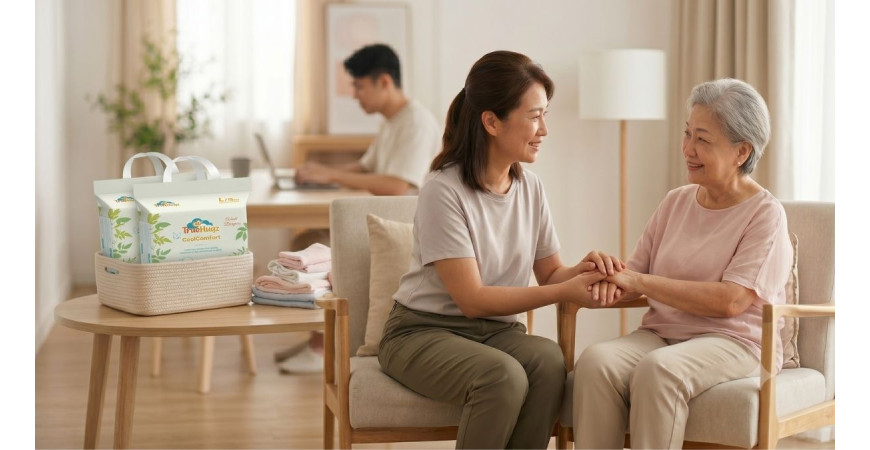
Quick Summary
- Incontinence affects many adults in Singapore: elderly parents, new mothers, young adults with neurological conditions, and post-prostate surgery for men.
- The biggest challenges for caregivers are the silence, the stigma, and selecting the right products for Singapore's climate.
- Caregiver burnout is real. Managing your own wellbeing is part of the care plan.
- A free sample is the lowest-friction starting point for any new product decision.
The Hidden Weight: Why Incontinence Care Is Harder Than It Looks
Most caregiving guides focus on medications and mobility. Very few address incontinence, which is why so many caregivers end up learning on the job, quietly, through trial and error, often feeling isolated.
Based on the Singapore Medical Journal, caregiver burden is common in Singapore, with studies reporting prevalence between 23% and 59% depending on the care population. Incontinence care sits at the very heart of that stress. It is intimate, physically demanding, and emotionally loaded for both the caregiver and the person being cared for.
Part of what makes it hard is the silence. There is rarely an open conversation about it, not at family dinners, not in the clinic waiting room, not on most social media feeds. So caregivers piece together a routine through guesswork, leading to unnecessary challenges and suffering.
Incontinence is a medical reality, not a sign of failure. Managing it well is an act of love and practical skill.
First, remember this: this is manageable. The right information, the right products, and the right support make an enormous difference for both you and your loved one.
Before we get into practical care, we need to talk about you.
Caregiver burnout is a recognised medical reality. Symptoms include chronic fatigue, emotional detachment, a sense of helplessness, and a decline in your own physical health. Incontinence care, because of how intimate and relentless it can be, is a major driver of this exhaustion.
A few things that genuinely help:
- Name what you are feeling. Frustration, grief, exhaustion, and love can all coexist at once. Acknowledging that is not weakness, it is just being authentic.
- Take micro-breaks seriously. Even 10 minutes outside the caregiving environment resets your stress response. Do not wait until your tank is completely empty.
- Find peer support. Singapore has a growing network of caregiver communities, such as Caregivers Alliance Limited, Dementia Singapore, CaringWheels, and online forums. Connecting with others who have been through exactly the same 2 a.m. bed change helps more than most self-help books.
- Talk to a GP about respite care. Short-term residential care and subsidised home care support are available in Singapore. These resources can give you the vital breathing room you need to sustain care over the long-term.
For practical strategies and real recovery tools, read our full guide on understanding and preventing caregiver burnout.
Physical Care Fundamentals: Skin, Odour, Sizing, and Routine
The day-to-day work of incontinence care comes down to four areas: skin protection, odour management, sizing, and a consistent changing routine.
Skin Protection in Singapore's Climate
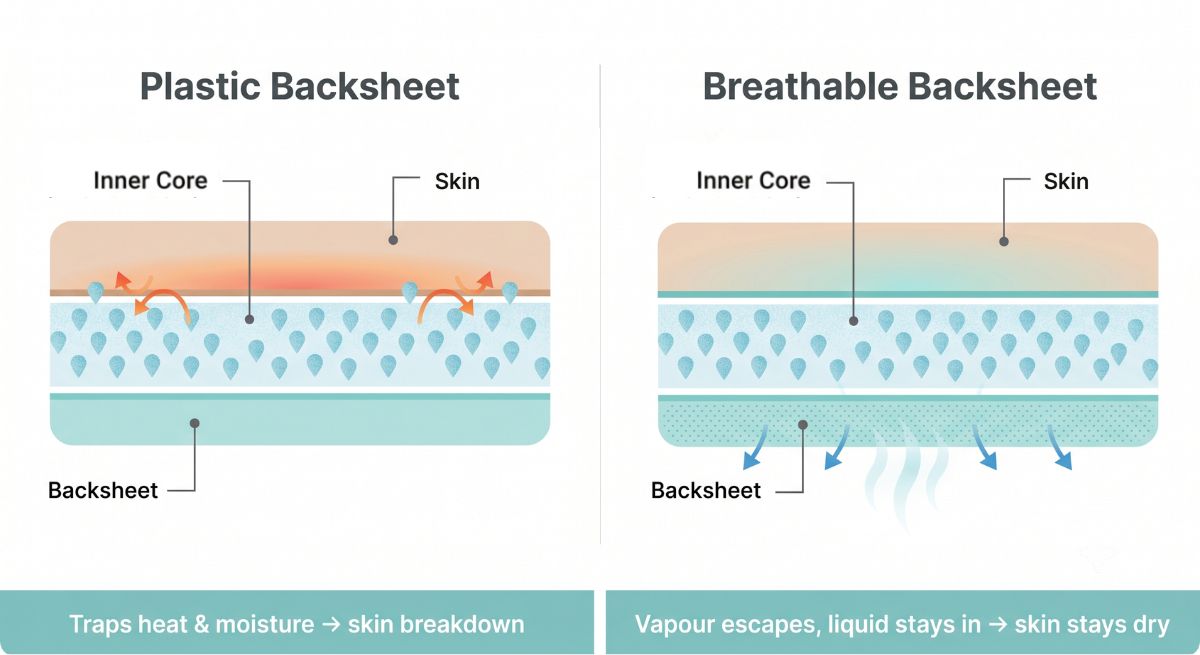
This is where Singapore caregivers face an extra challenge that most global care guides ignore. At 35 degrees Celsius with 80% relative humidity, the microclimate between a non-breathable diaper and skin is genuinely hostile. Trapped heat and moisture accelerate skin breakdown within hours.
After every change, follow these three steps:
- Cleanse gently with pH-neutral wipes or water;
- Allow the skin to fully dry before putting on a fresh product; and
- Apply a thin barrier cream if the user is prone to rashes. Zinc-based barrier creams are particularly effective.
Ultimately, your single biggest skin-protection decision is the diaper material. Breathable backsheets allow moisture vapour to escape while keeping liquid in, whereas plastic backsheets trap heat. Choosing a breathable option is not a minor upgrade, it changes the skin environment entirely.
Our detailed comparison of breathable versus plastic-backed diapers explains exactly why the material choice matters in our weather.
Odour Management
Odour anxiety is often what stops families from going out, hosting visitors, or maintaining a normal social life. It does not have to be this way. The right product handles most of the issue When shopping, look for absorbent cores featuring antibacterial treatments and built-in odour-lock layers. For outings, pack a compact change kit containing a sealed disposal bag, a small deodoriser spray, and a spare diaper. Caregivers who carry this kit consistently share that their anxiety about leaving the house drops significantly.
For more tips, read our full guide on controlling odour when managing incontinence.
Getting the Right Size
Sizing errors are responsible for most preventable leaks. A diaper that is too loose leaves gaps at the thighs, one that is too tight causes pressure marks and skin irritation. Take hip and waist measurements before buying. Be sure to check the specific product size chart, as different brands utilise distinct measuring units. When a measurement falls between two sizes, always choose the one with the closer fit. Look for products featuring adjustable tapes or elastic waistbands for a snug, customised fit.
Full guidance in our adult diaper size guide for Singapore.

Changing Routine
Aim to change every 3 to 4 hours during waking hours, and change immediately after any bowel movement. Prolonged contact with moisture is the main driver of incontinence-associated dermatitis, which shows up in redness, skin breakdown, and in severe cases, painful ulcers.
At night, switch to a higher-absorbency overnight product if necessary, so that neither you nor your loved one needs to wake up every few hours, protecting everyone's sleep.
Caring for Elderly Parents: Honouring Dignity in Later Life
Incontinence in older adults often begins gradually. A small leak here and there, followed by more frequent urgency. While it is naturally associated with the age-related weakening of bladder muscles, it is also closely linked to chronic conditions common among older Singaporeans. For instance, diabetes can damage the nerve signals controlling the bladder, while dementia often affects a person's ability to recognise and respond to the urge to urinate in time.
The emotional impact of this shift is enormous. Many older Singaporeans hold deep values around self-sufficiency and privacy. For them, introducing incontinence products can feel like a devastating admission of dependency. It is entirely normal for them to resist initially, sometimes very strongly.
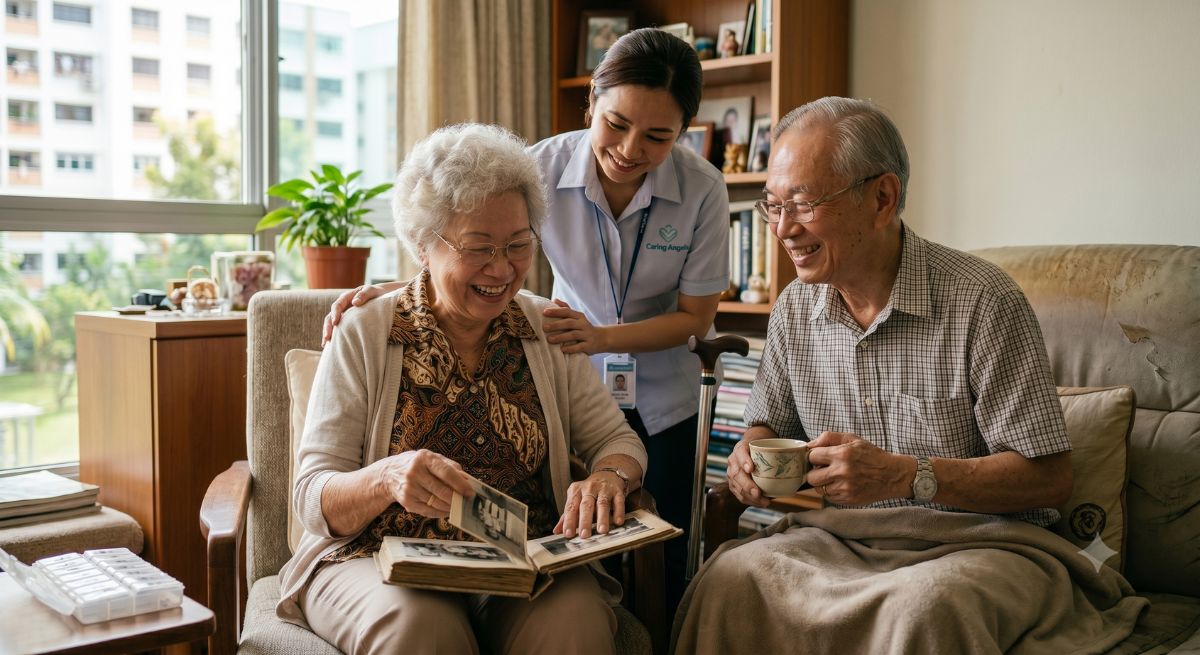
Caring for Elderly Parents: Honouring Dignity in Later Life
- Lead with comfort, not the problem. Saying "This will keep you dry and comfortable" lands better than "in case you have an accident."
- Let them choose. Involve them in deciding which product to try. Having a say in the matter directly determines whether they will actually wear it.
- Choose your words carefully. Terms like "Incontinence underwear", "protective pants", or "comfort underwear" are far better than "diapers". Language matters enormously for personal dignity.
- Bring in a professional. If family conversations hit a wall, a GP or care nurse is often more effective. The clinical framing removes the complex emotional dynamic between parent and child.
Pregnancy and Post-Partum: The Leaks No One Talks About
Bladder leaks during and after pregnancy are far more common than most women are told. During pregnancy, the growing uterus puts direct pressure on the bladder. At the same time, pregnancy hormones like relaxing loosen the pelvic floor muscles. This combination frequently results in stress incontinence, which is when leaks are triggered by coughing, sneezing, laughing, or exercise.
After a delivery, those pelvic floor muscles need months to fully recover. Consequently, many women experience ongoing leakage for six months or more post-partum.

How to Help as a Partner or a Caregiver
- Normalise it early. Try saying "A lot of women deal with this during pregnancy, and they are really comfortable options that look just like regular underwear." A single matter-of-fact comment can open the door better than a heavy, formal conversation.
- Research products discreetly. Lightweight pull-up style pants designed for lighter leaks are nearly identical to regular underwear. Having these options available before she even has to ask removes a layer of embarrassment.
- Encourage pelvic floor physiotherapy. Suggest a visit to a specialised women's health physiotherapist for a tailored pelvic floor exercise programme is the single most effective intervention for post-partum recovery.
Our detailed guide on incontinence during pregnancy and post-partum recovery covers types, causes, and management in full.
Young Adults with Neurological Conditions: Cerebral Palsy, Spina Bifida, and More
Communication and Routine
Some young adults with neurological conditions may have difficulty expressing physical discomfort or indicating a need to change. In these cases, the foundation of care relies on learning their unique, non-verbal cues and establishing a consistent changing schedule rather than waiting for a sign.
Posting written step-by-step routines in the care area is highly effective. This is especially useful in households with multiple caregivers or domestic helpers, as it minimises inconsistency and ensures smooth care handover.
Dignity and Independence
For teenagers and young adults, maintaining dignity and independence matters more than almost anything else. Where the individual is capable of managing a portion of their own care, actively involve them. Let them choose their own products and ensure they have complete privacy during changes. Ultimately, the goal of a skilled caregiver is to support their autonomy, not to take over.
For wheelchairs users, selecting thin, high absorbency products that do not create bulk under clothing is particularly important. This choice ensures physical comfort while reducing any visible profile that might otherwise heighten self-consciousness in social settings.
Choosing the Right Products: What Works in Singapore's Climate
Most adult incontinence products sold globally were designed for temperate climates. Used in Singapore at 35 degrees Celsius and 80% humidity for 8 to 12 hours, the experience is entirely different from the manufacturer's intended use case.
Here is what actually matters for Singapore users and caregivers:
|
Feature |
Why it matters in Singapore |
What to look for |
|---|---|---|
|
Backsheet material |
Plastic backsheet, commonly used in hospitals and nursing homes, trap heat and moisture. In our climate, this cause rashes within hours |
Breathable backsheet allows vapour out and skin to breathe while keeping liquid securely in |
|
Core thickness |
Thick cores add visible bulk and restrict airflow, while thin cores stay discreet and cool |
Japanese SAP core is one of the most advanced in the world, allowing products to be thin yet highly absorbent |
|
Odour control |
Heat accelerates odour, making fragrances masking ineffective |
Antibacterial treatment in the core to neutralise odours, not just fragrance masking |
|
Fit and fastening |
Poor fit causes leaks, and plastic diaper landing zone cause painful chafing in high-humidity conditions |
Magic adjustable tapes or elastic waistbands for pull-ups gives a snug and comfortable fit |
|
Packaging |
Exposed diapers in humid climate can compromise product integrity before use |
Resealable packaging to maintain freshness between diaper changes |
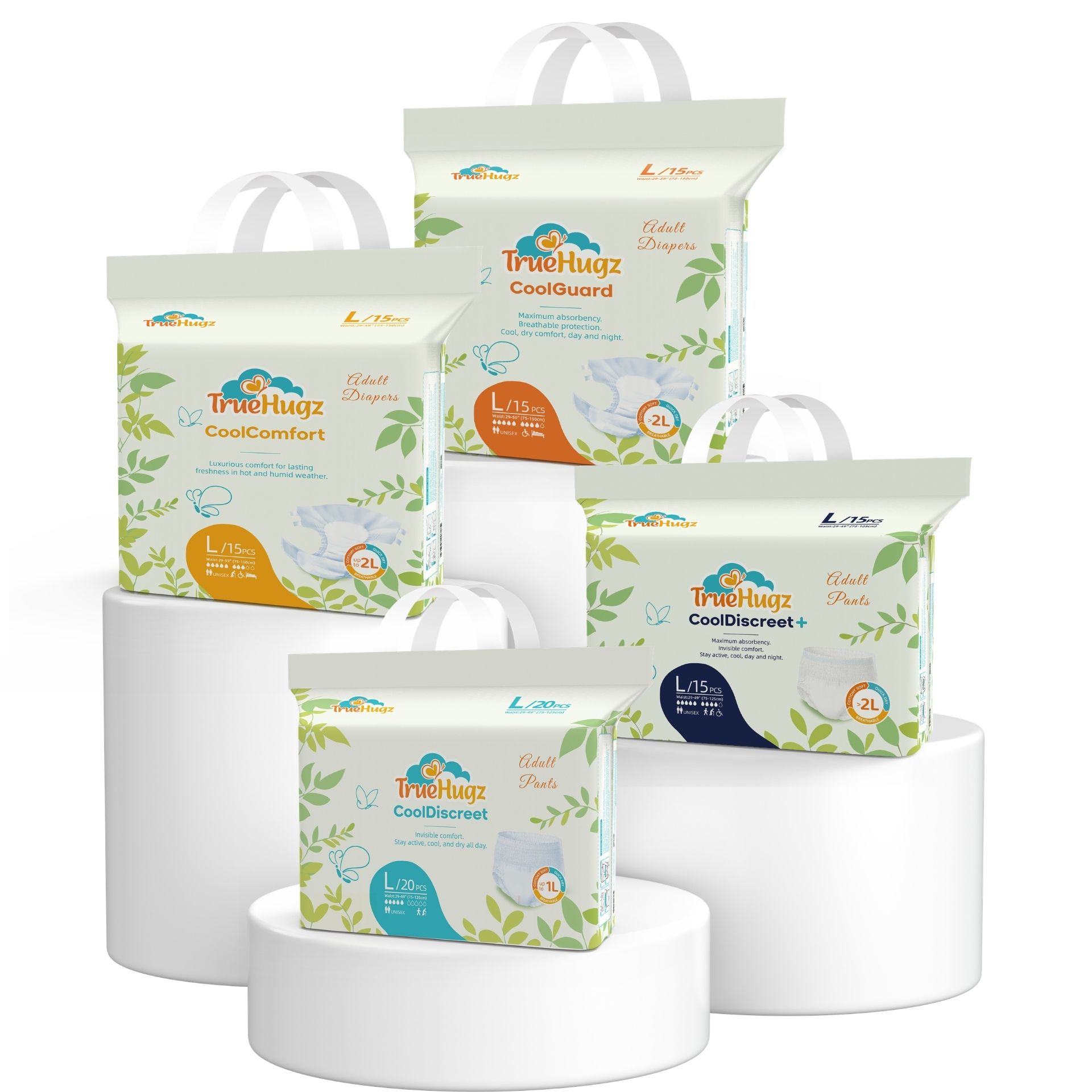
TrueHugz is a Singapore-designed adult diaper brand built specifically for our climate. Their products use premium Japanese Super Absorbent Polymer (SAP) core that allows the products to be ultra-thin while delivering strong absorbency and built-in odour control. This thinness is the key differentiator that makes the diaper wearable all day without visible bulk. Additionally, the breathable backsheet allows air circulation, the Magic Tape fastening gives caregivers a secure, adjustable fit, and the resealable packaging keeps unused products fresh in our humid climate.
The easiest first step is to test it out. You can claim a free adult diaper sample to try it before committing to a bulk purchase. Testing first is always recommended with any new product.
For caregivers thinking about sustainability, we have practical tips in 5 ways to reduce incontinence waste in Singapore.
Building Your Caregiver Support System
Caregiving is not meant to be a solo project, even if the daily reality makes it feel that way.
Training Your Household
If you have a domestic helper supporting care at home, invest time in training her properly. Focus on correct changing techniques and skin care steps. Train her on what to watch for, such as redness, unusual odours, and signs of skin breakdown or discomfort. Ensure she also knows how to navigate the emotional dimension with dignity. Posting written instructions in a visible location keeps everyone consistent across shifts.
Community and Peer Networks
TrueHugz has partnered with organisations including CaringWheels and Lions Befrienders to support caregivers and communities across Singapore. You can read about their work in building a community of care. These networks are worth knowing about, especially for long-term caregivers who need peer support alongside practical advice.
Your Own Health in 2026
Caregivers who put their own health last consistently end up in a worse position to care for others. Our resource, 10 health goals for Singapore caregivers and seniors in 2026, is a practical and honest reset for anyone who has been running on empty.

Frequently Asked Questions
How often should I change an adult diaper for my elderly parents?
Aim for every 3 to 4 hours during waking hours, and immediately after any bowel movement. At night, use a higher-absorbency overnight product. Change frequency depends on the person's level of incontinence, but err on the side of more caution to protect skin health.
My parents refuse to wear incontinence products. What should I do?
Start with language: 'protective underwear' or 'comfort pants' are less loaded than 'diapers' if they are not ready. Focus conversations on comfort rather than the problem, and let them have input on which product to try. If strong resistance continues, ask the GP or a continence nurse to introduce the conversation as clinical framing often works when family conversations hit a wall.
What is the best adult diaper for Singapore's weather?
Look for products with a breathable backsheet, a thin absorbent core, and antibacterial odour control. Plastic-backed products are not suited to our climate because they trap heat and moisture, causing skin problems within hours. TrueHugz products are designed specifically for our local conditions. We recommend trying a free sample first.
Can incontinence be treated, or is it ongoing?
It depends on the underlying cause. Post-surgical incontinence often improves significantly within 6 to 12 months with pelvic floor exercises and medical support. Age-related incontinence is highly manageable with the right products and routine, while neurological causes require specialist input. A GP or continence specialist can advise on the specific situation and outline realistic expectations.
How do I manage incontinence odour during outings?
Use products with built-in antibacterial and odour-lock layers. Keep a compact change kit on hand containing a sealed disposal bag, a small deodoriser spray, and a spare product. Change as soon as practically possible after a leak. For more specific product and routine tips, read our full guide on controlling incontinence odour.
How do I choose the right size adult diaper?
Measure waist and hip circumference and refer to the size chart. When a measurement falls between two sizes, always choose the one with the closer fit. Look for products featuring adjustable tapes or elastic waistbands to ensure a snug, customised fit. Full guidance can be found in our adult diaper size guide.
What is the difference between tape-style and pull-up adult diapers?
Tape-style diapers are put on while the user is lying down, making them ideal for users with low mobility or those who need caregiver-assisted changes. Pull-up style diapers work like regular underwear and are better for individuals who prefer managing their own changes. Both types come in various absorbency levels.
How do I prevent rashes when using adult diapers long-term?
Change frequently, use products with breathable materials, let skin dry completely before putting on a fresh product, and apply a thin, zinc-based barrier cream. Avoid heavy fragrances in both the product and the cleaning wipes. If rashes persist despite these measures, consult a dermatologist or continence nurse, as it may indicate a fungal infection requiring prescription treatment.
This article was written for caregivers and individuals navigating incontinence in Singapore. Information accurate as of June 2026. This is educational content and does not constitute medical advice. Consult a healthcare professional for individual guidance.